Every Camino de Santiago route and stage
Maps, stages, elevation and thousands of albergues and hotels on every route. And the app that keeps all of it in your pocket.


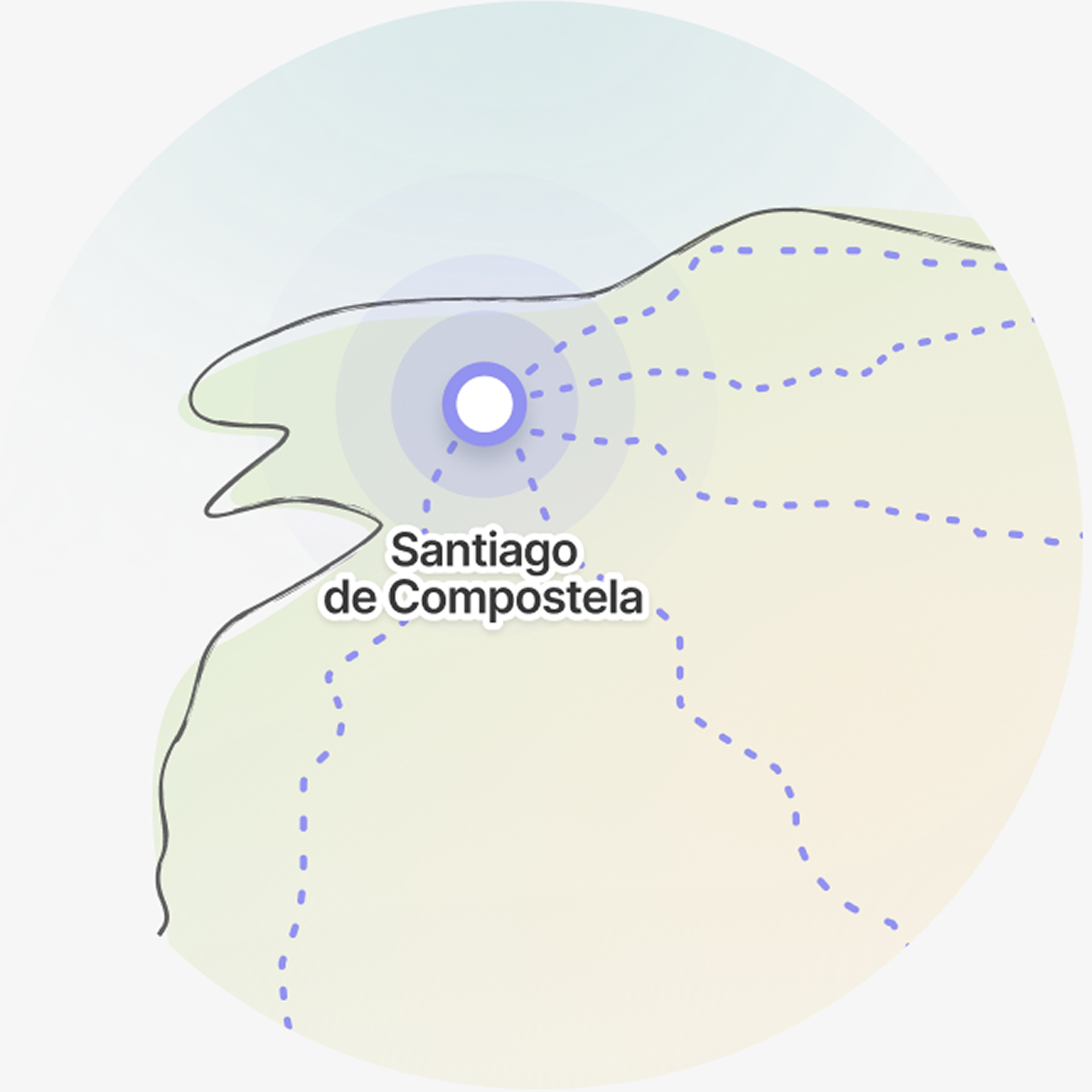
Choose your Camino
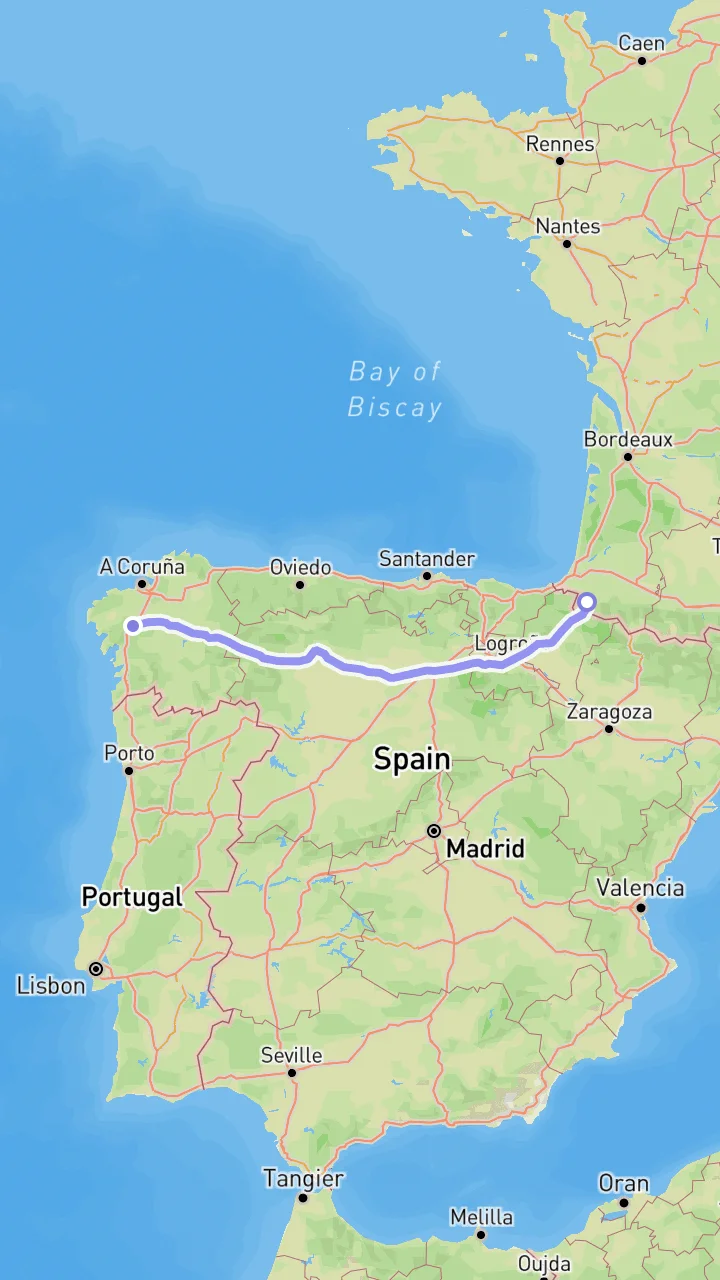
Camino Francés
The classic Way of St James from the Pyrenees to Santiago
780 km from Saint-Jean-Pied-de-Port over the Pyrenees, across the plains of Castile and through Galicia — the busiest route, with an albergue every few kilometres.
780 km30-35 days11,713 m ↑
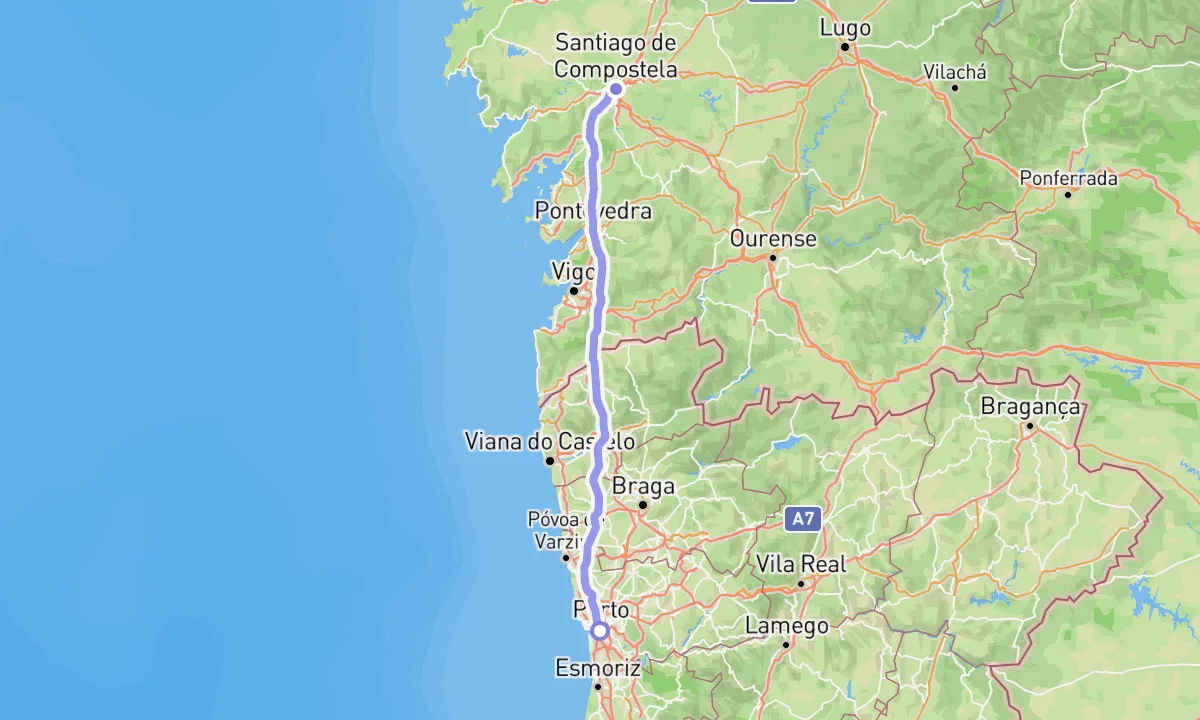
Camino Portugués Central
From Porto to Santiago through the interior of the Minho and Galicia
240 km10-12 days3,420 m ↑
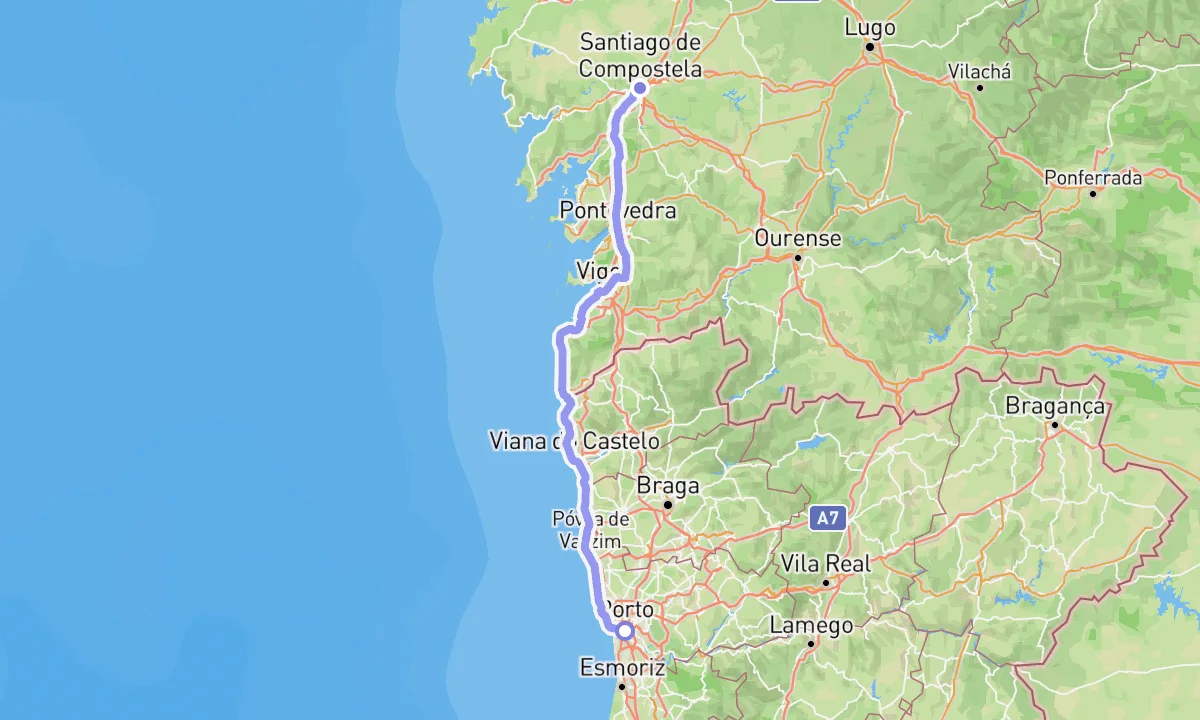
Camino Portugués Coastal
Beaches and boardwalks from Porto to Redondela, then on to Santiago
260 km10-12 days3,705 m ↑
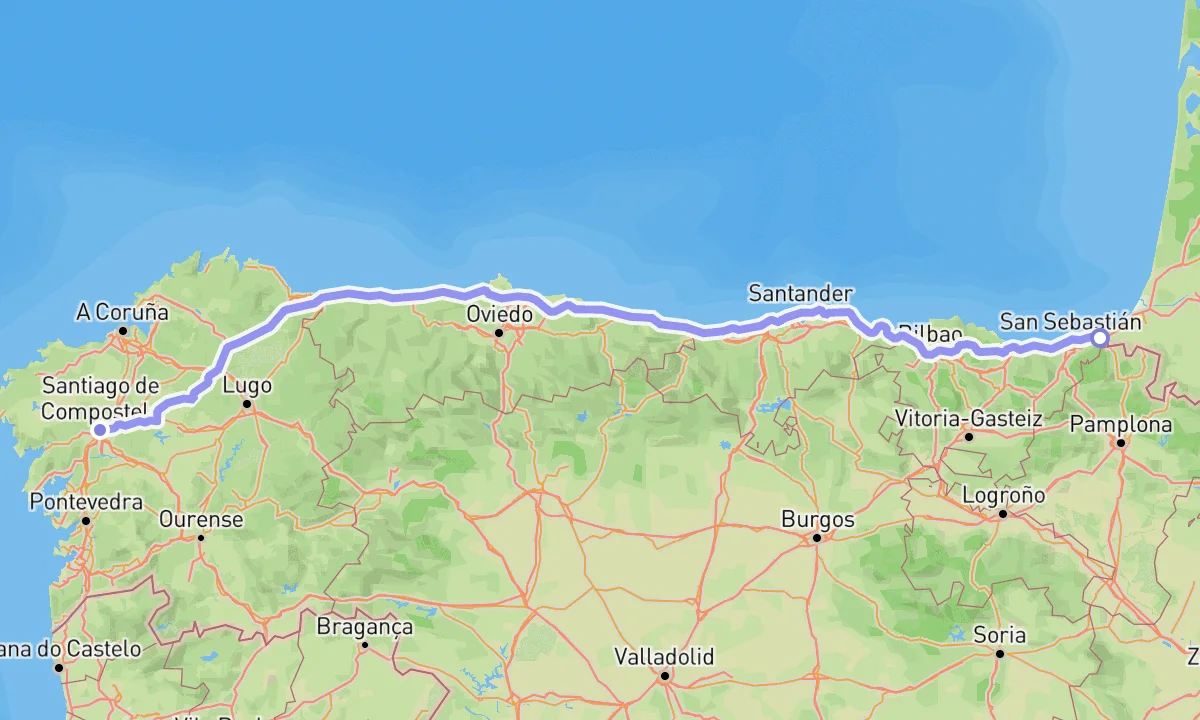
Camino del Norte
The coastal route along the Bay of Biscay
825 km32-38 days10,186 m ↑
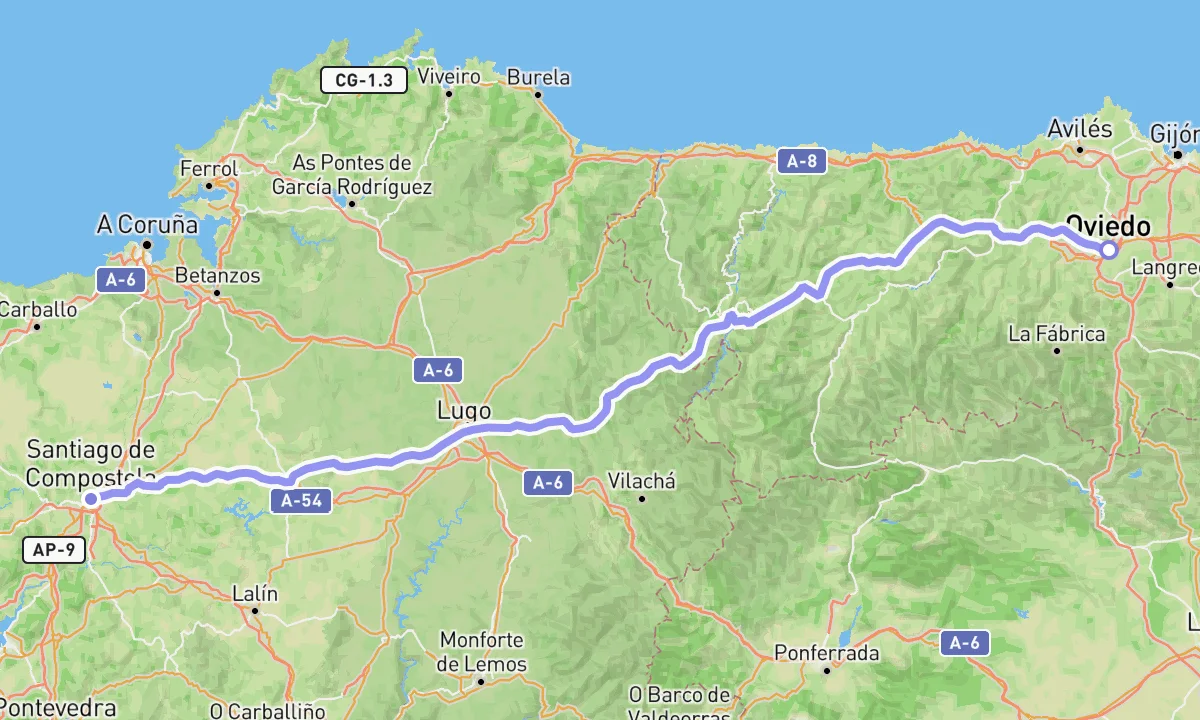
Camino Primitivo
The original route, from Oviedo over the mountains of Asturias
320 km12-16 days10,379 m ↑
Where to sleep
3,173 albergues, hostels, pensions and hotels in 994 towns on every route — prices, beds, photos, contacts and the map, town by town.
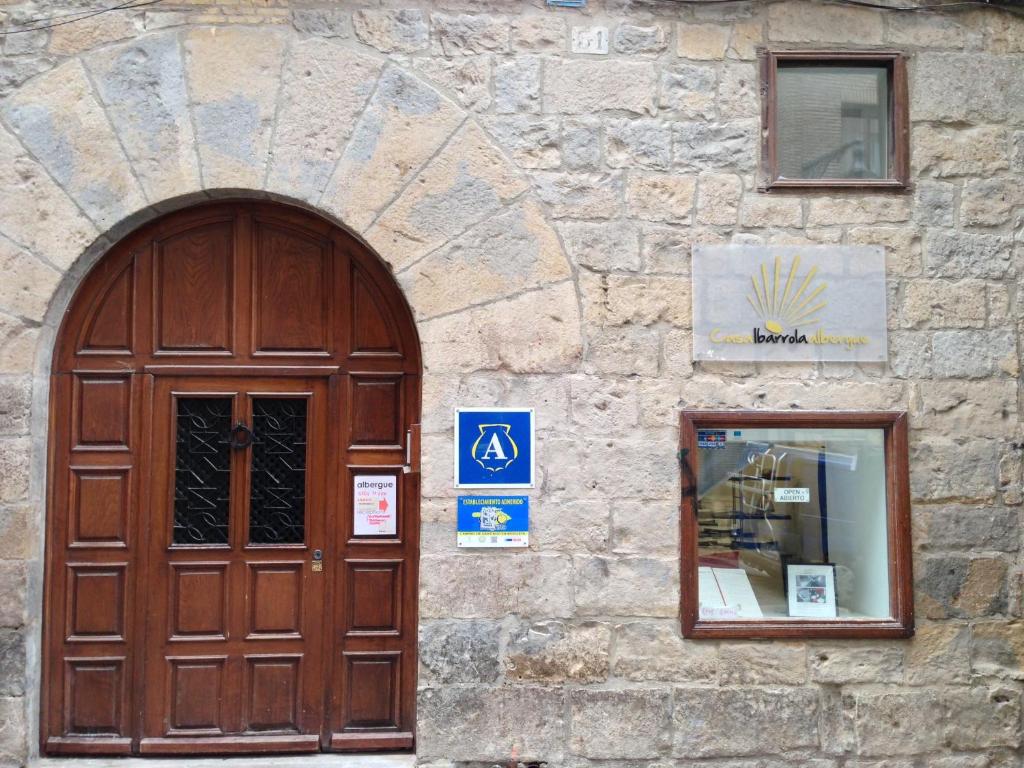
Pamplona
Camino Francés
45 places7 albergues38 hotels & rooms
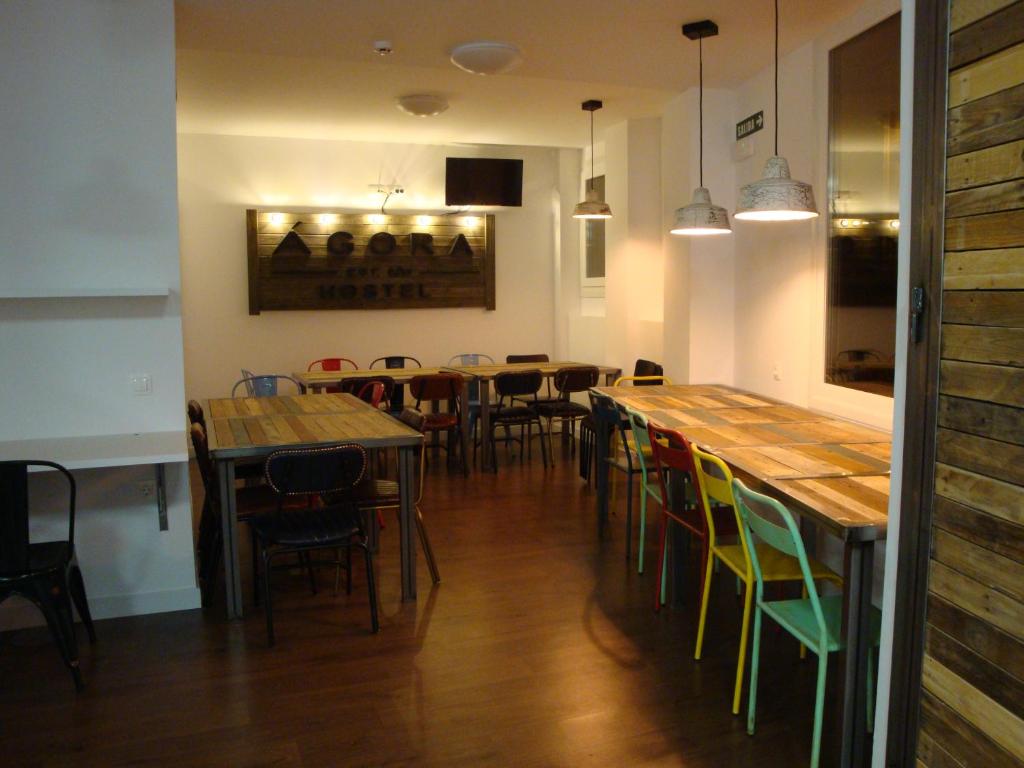
Estella
Camino Francés
40 places6 albergues34 hotels & rooms
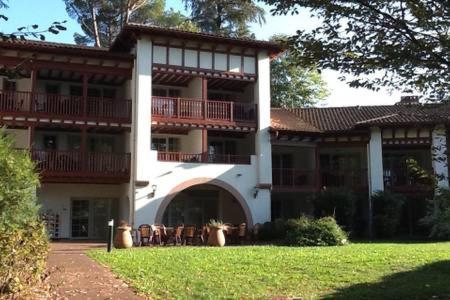
Saint Jean Pied de Port
Camino Francés
38 places9 albergues29 hotels & rooms
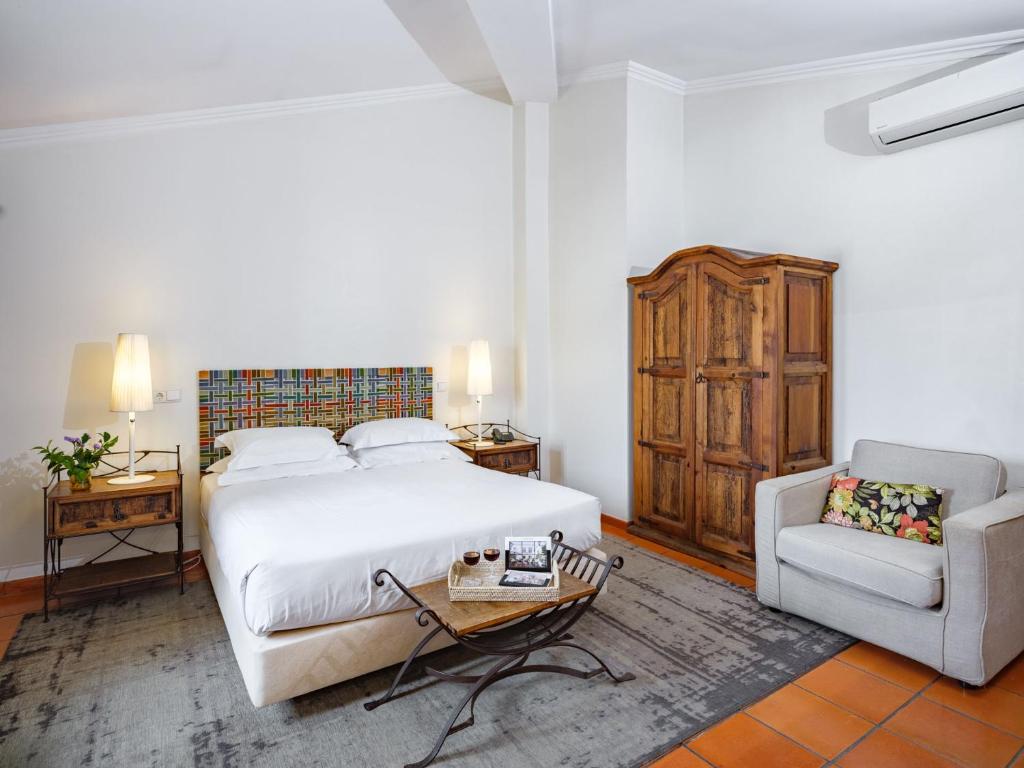
Evora
Camino de Santiago
35 places7 albergues28 hotels & rooms
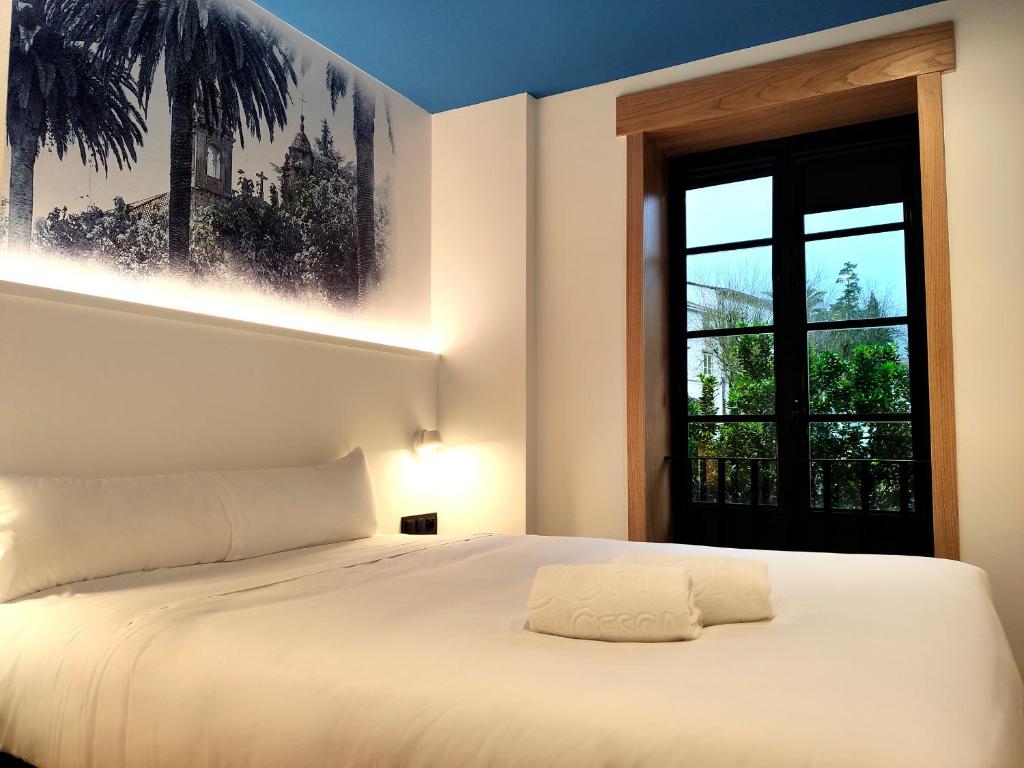
Santiago de Compostela
The end of every Camino
27 places21 albergues6 hotels & rooms
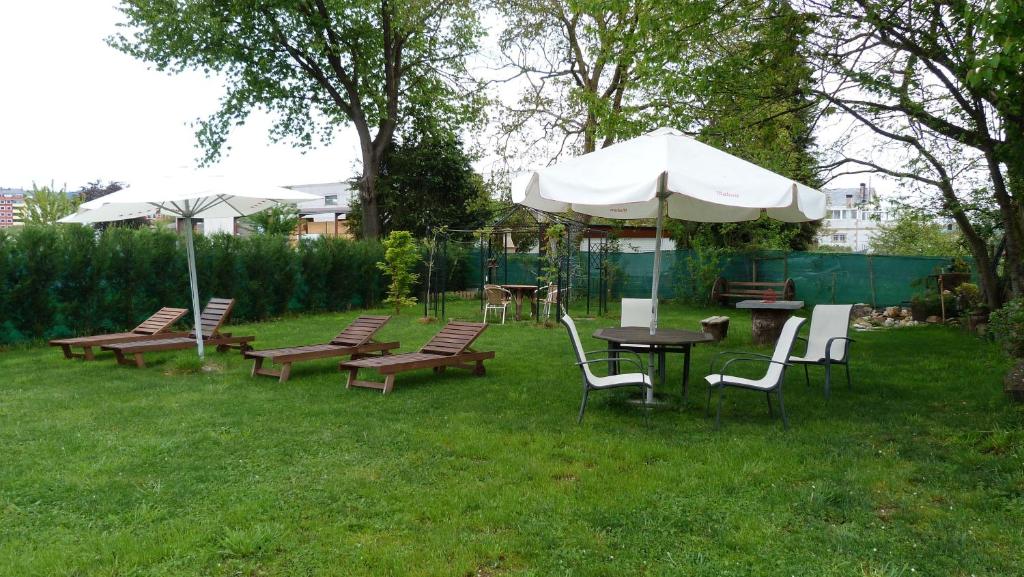
Sarria
Camino Francés
27 places19 albergues8 hotels & rooms
From the blog
Short, honest posts about walking to Santiago — gear, money, routes and the things nobody warns you about.
 Long read · 17 min
 Arkadiy Broun
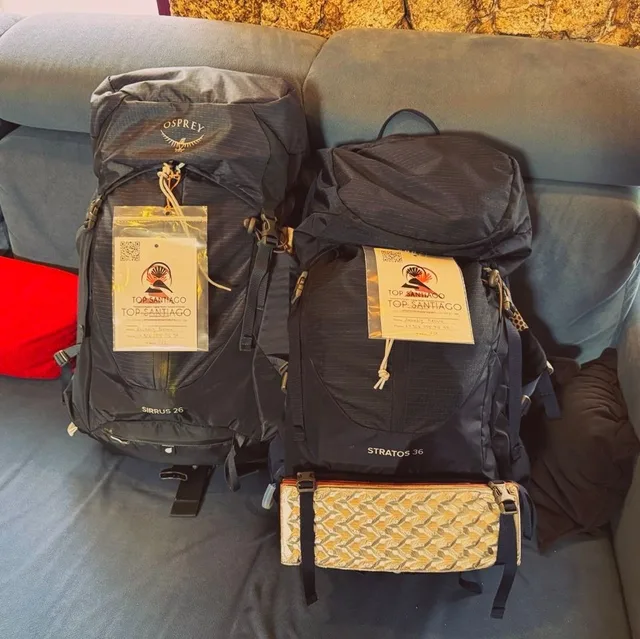
Luggage transfer on the Camino: every carrier, route by route
You can walk every major Camino route with a day pack while a van takes your bag to the next bed. Here is who actually does it, where, for how much and under what rules — taken from the carriers' own websites, not from hearsay.
 Long read · 19 min
Arkadiy Broun
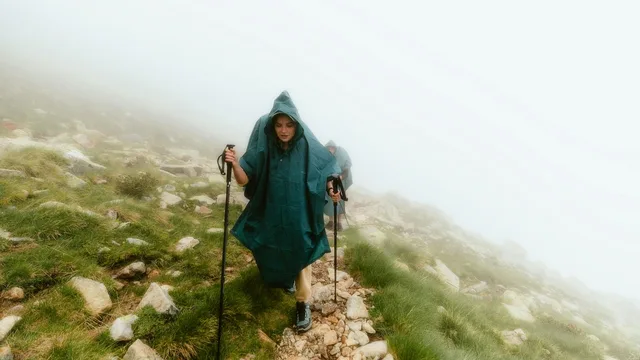
When to walk the Camino: a month-by-month guide
There is no single best month. There is the month that fits the route you want, the crowds you can stand, the weather you can walk in and the beds you can find. Here is the whole year, honestly.
Arkadiy Broun
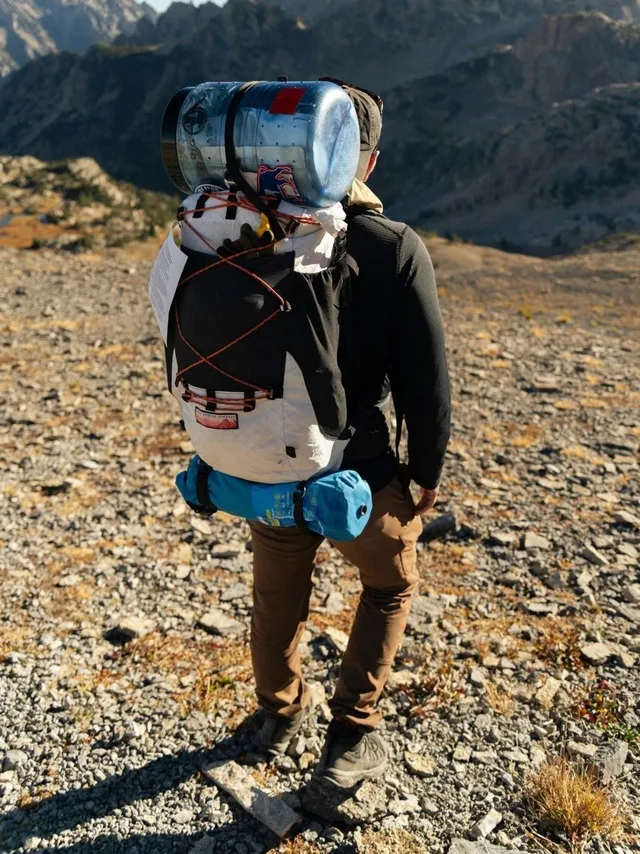
Sleeping bag or liner: what to sleep in on the Camino
The sleeping bag question is one every first-timer asks and most guidebooks answer badly. Here's the straightforward version.
Arkadiy Broun
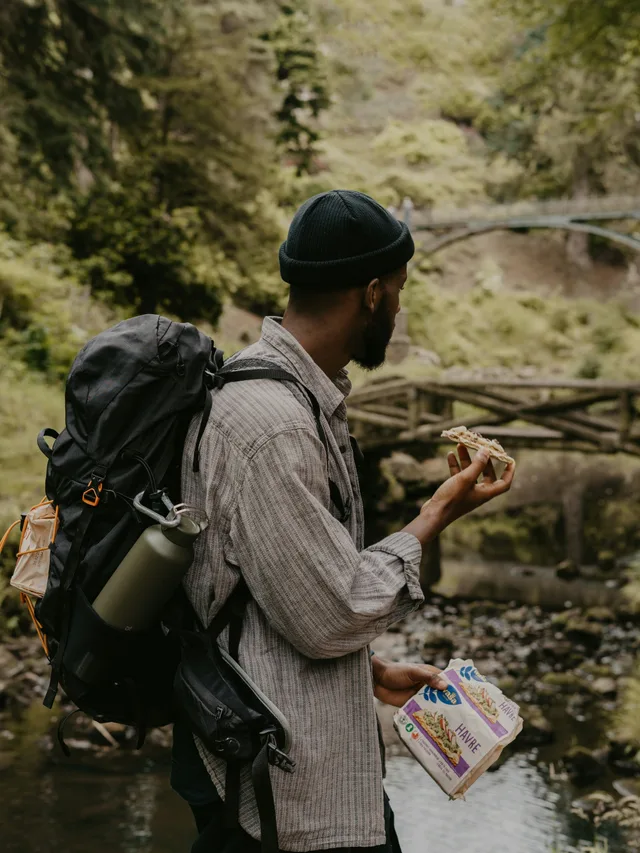
What the Camino really costs per day
Here's where the money actually goes — and where you can reduce it without reducing the experience.
Arkadiy Broun
The Via Podiensis: starting the Camino in France
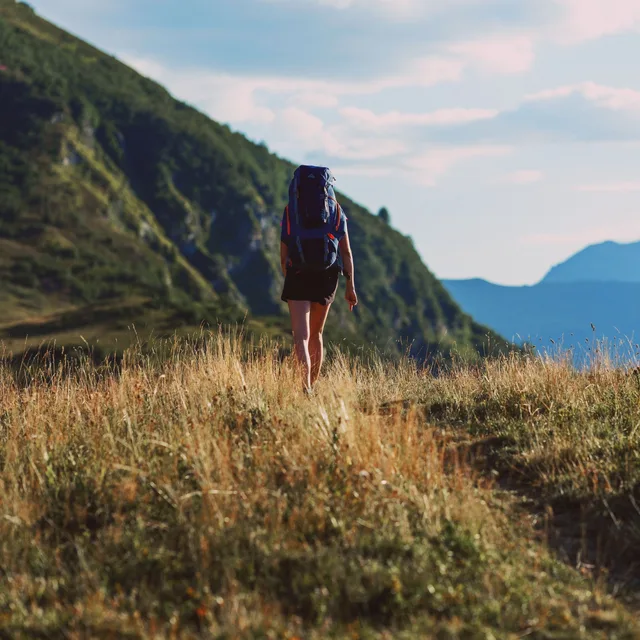
Some begin it 750 kilometres earlier, in the volcanic highlands of central France.

The whole Camino in your pocket
Common questions
What people ask before their first Camino — short answers, with the detail a click away.
What is the Camino de Santiago?
The Camino de Santiago is a network of pilgrimage routes across Spain, Portugal and France that all end at the cathedral of Santiago de Compostela, where the remains of the apostle St James are said to lie. People have walked them for more than a thousand years; today around half a million pilgrims a year finish one, on foot or by bicycle.
Which Camino route should I walk first?
The Camino Francés, for most people: 780 km from Saint-Jean-Pied-de-Port, waymarked the whole way, with an albergue every few kilometres and company whenever you want it. If you have two weeks rather than five, the Camino Portugués from Porto is the usual choice; if you want the coast and fewer people, the Camino del Norte. Compare the routes →
How long does the Camino take?
It depends on the route: five to seven days for the Camino Inglés, ten to twelve from Porto, thirty to thirty-five for the full Camino Francés, and six weeks or more for the Vía de la Plata. Most pilgrims walk 20 to 25 kilometres a day. You can also split a route across several trips — the Compostela only requires the last 100 kilometres on foot.
How much does the Camino cost?
Most pilgrims spend between 30 and 50 euros a day: 8 to 15 for a bed in a municipal or private albergue, 10 to 14 for a pilgrim menu, and the rest on breakfast, coffee and supplies. Donativo albergues ask only what you can give.
When is the best time to walk the Camino?
Late April to early June and mid-September to mid-October: mild weather, long days, everything open. July and August are hot on the inland plateau and crowded on the last hundred kilometres. From November to March most private albergues close and the Napoleon route over the Pyrenees is shut by law. Read the month-by-month guide →
Where do pilgrims sleep on the Camino?
In albergues — pilgrim hostels with bunk beds, run by towns, parishes, associations or private owners — and in pensions, hotels and rural houses when you want a room of your own. This site lists 3,173 places to sleep in 994 towns along the routes, with prices, beds, photos, contacts and the map. Find a bed →
What does the app give you on the Camino?
The whole route on one map with the stages you set yourself, the climb waiting ahead, hour-by-hour weather for the stretch you are actually walking, and every albergue along the way with prices, beds and contacts. All of it works offline, so it keeps going where the signal stops. The yellow arrows show the direction; Camino.Today tells you how far, how steep, what the weather will do this afternoon and where you are sleeping tonight.