Sleeping bag or liner: what to sleep in on the Camino

The sleeping bag question is one every first-timer asks and most guidebooks answer badly. Here's the straightforward version.
For most Camino routes in the main season — April through October — a full sleeping bag is overkill. Albergues provide blankets. The nights are warm enough that you'll be pushing the bag off by midnight anyway. A sleeping bag liner — a lightweight silk or merino cocoon that weighs 100 to 200 grams and packs to the size of a large orange — is all most pilgrims need. It provides a hygienic layer between you and the albergue bedding, adds a few degrees of warmth when needed, and takes up almost no space.
Silk liners are the lightest and most packable. Merino liners are slightly warmer and more durable. Cotton liners are cheap but heavy and slow to dry — avoid them. A decent silk liner costs €25 to €50 and is worth every cent.
When you actually need a sleeping bag: winter walking — November through March — where albergues may be colder and blankets less reliable. High altitude sections on routes like the Primitivo or Via de la Plata in early spring. If you're wild camping at any point, though that's rare on the main routes.
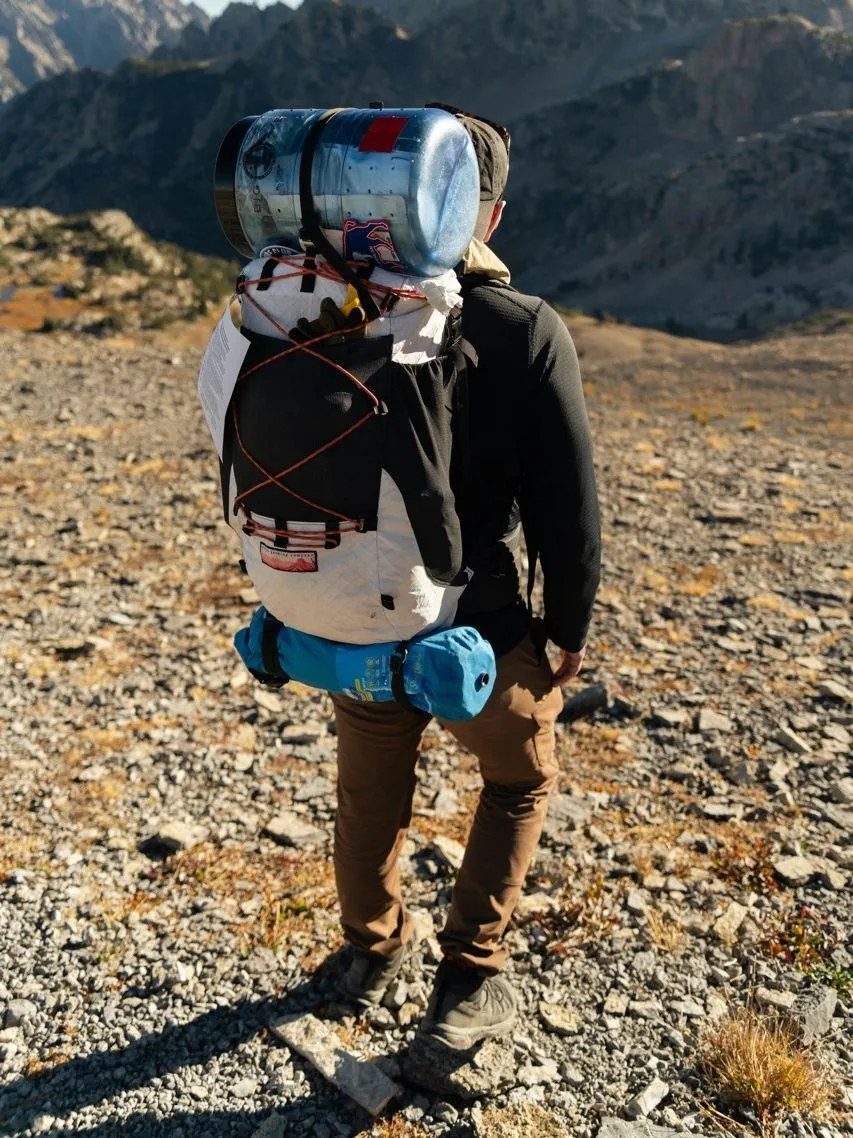
If you're walking in summer and carrying a full sleeping bag: consider leaving it at the first post office you pass. The weight and bulk aren't worth the occasional cold night that an extra layer of clothing solves just as well.
One addition worth noting: a small inflatable pillow. Albergue pillows exist but vary wildly. A 60-gram inflatable fits in a jacket pocket and makes a real difference to sleep quality after a long day.