What the Camino really costs per day

The Camino can be walked for less than most people spend on a week of ordinary life. Here's where the money actually goes — and where you can reduce it without reducing the experience.
Accommodation is the biggest variable. Municipal albergues cost €8 to €15 per night and give you a bunk, a shower, and sometimes breakfast. Private albergues run €18 to €30 and offer smaller dorms, better facilities, and often more character. Hotels and private rooms start at €40 and up. Staying in municipal albergues most nights and splurging on a private room once a week when your body needs it is a common and effective strategy.
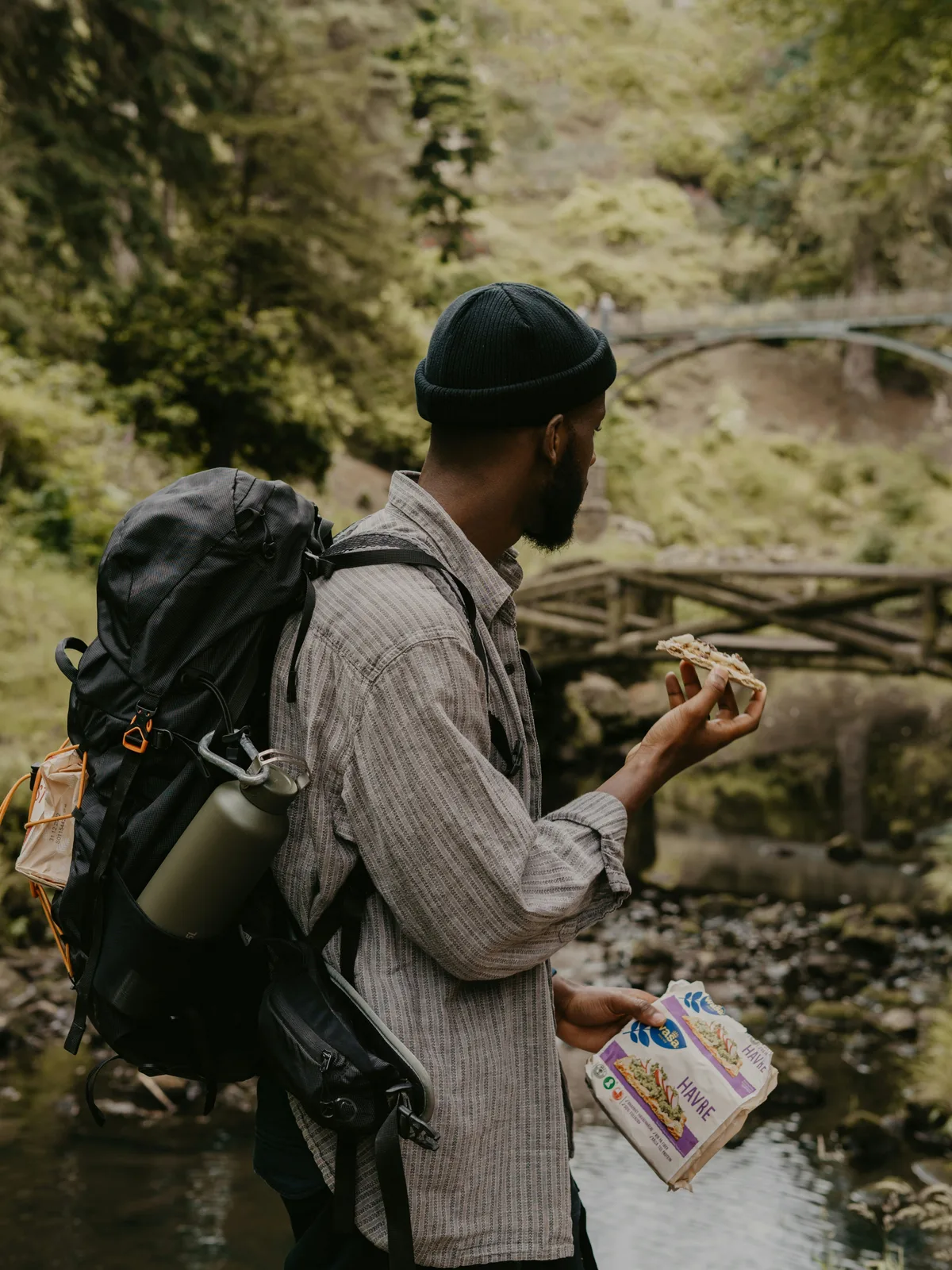
Food is surprisingly manageable. The menú del peregrino — a set three-course meal with wine, available at most restaurants along the route at lunchtime — costs €10 to €14 and is genuinely good value. Breakfast at a bar costs €2 to €4. The real savings come from buying food at supermarkets for the trail itself: fruit, nuts, bread, cheese. A supermarket picnic costs €3 to €5 and is often better than a bar snack at twice the price.
Where not to cut corners: boots and socks are not the place to save money. Cheap footwear costs more in blisters, lost days, and pharmacies than it saves at the outset. Good merino socks are expensive once and worth it every day after.
Where you can save: skip the tourist shops in every town. The Camino generates a significant souvenir industry and almost none of it is worth carrying. Buy one thing that means something at the end, in Santiago, if anything.
A realistic daily budget for a comfortable but not extravagant Camino: €35 to €50. A frugal pilgrim willing to cook occasionally, stay only in municipal albergues, and skip the restaurants can do it for €25 to €30. Neither version is hardship.