Trekking poles on the Camino: do you need them?

Trekking poles on the Camino: do you actually need them?
The debate comes up in every pilgrim forum, every albergue kitchen, every rest stop on the Meseta. And the honest answer is: poles won't make or break your Camino, but the descent into Roncesvalles on day one might make the decision for you.
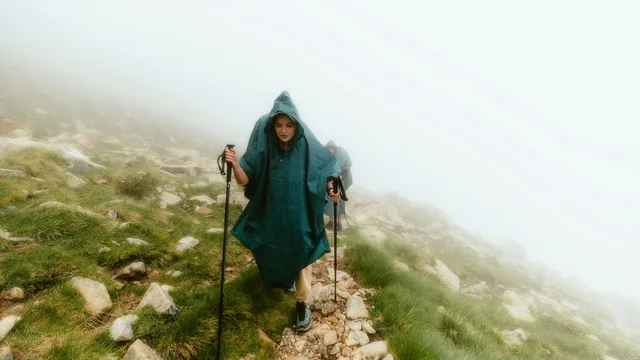
Here's what poles actually do on the trail. On descents — and the Camino has some punishing ones — they shift load off your knees and onto your arms. Over 33 days and 800km, that redistribution matters enormously. Knee pain is one of the leading reasons pilgrims abandon the trail. Poles don't eliminate the risk, but they reduce it meaningfully, especially on wet or rocky terrain.
On the flat Meseta, many people find them rhythmically useful — they set a pace, keep you upright when your mind wanders, and give tired arms something to do. Others find them unnecessary and annoying on tarmac. This is genuinely personal.
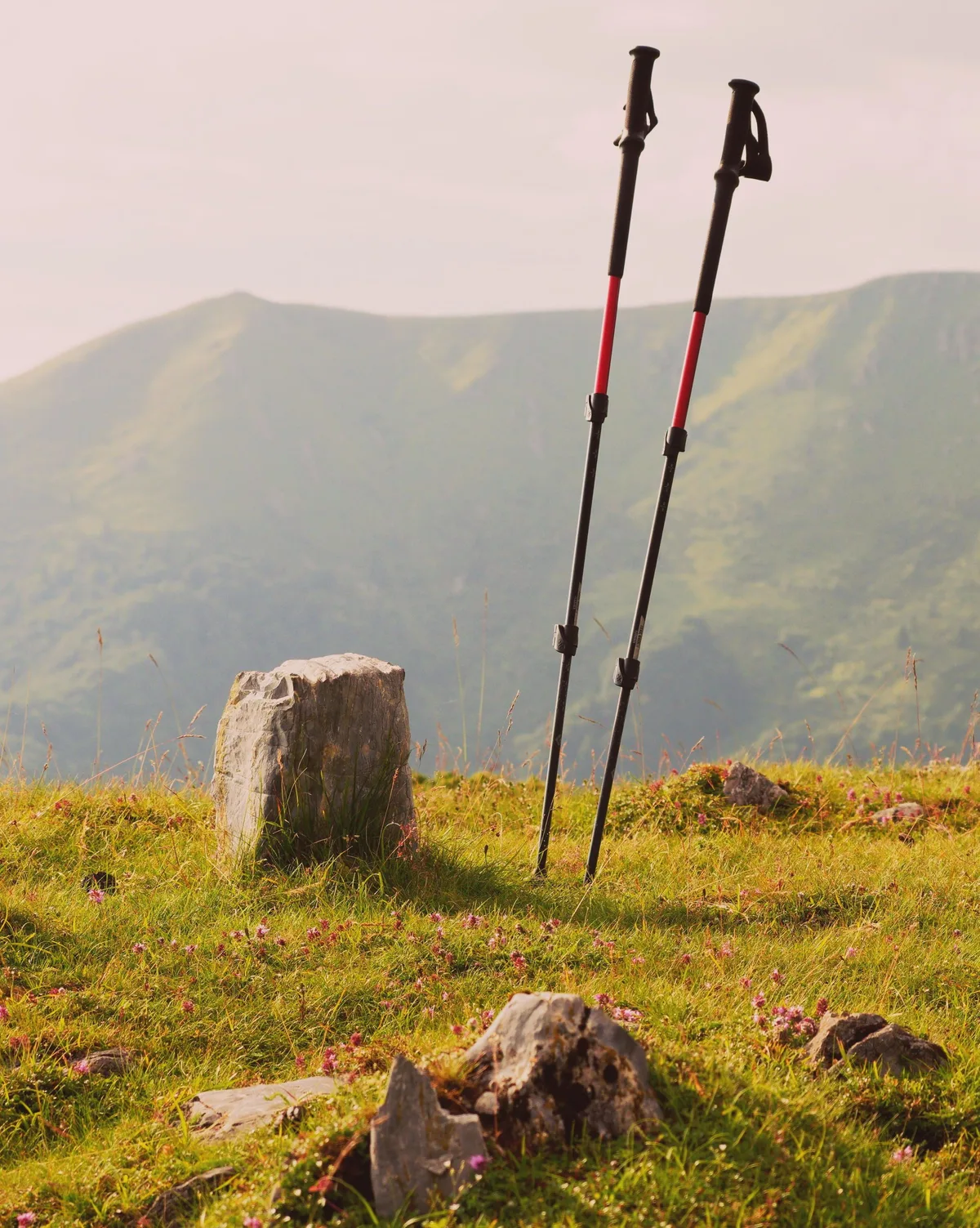
Practical notes: collapsible carbon poles are lighter and pack down small. Avoid cheap fixed-length ones — you want to shorten them for uphill, lengthen for down. Rubber tips for roads, metal tips for trail. Wrist straps matter — learn to use them properly or you'll grip too hard and get sore hands.
You can buy poles in Saint-Jean-Pied-de-Port at the outfitters on the main street if you want to try before committing. You can also send them home from Pamplona if you decide they're not for you.
#camino #caminodesantiago #caminofrances #pilgrimage #buentcamino #caminolife #caminogram #trekkingpoles #hikingpoles #caminogear #pilgrimlife #hikinglife #walkingspain #slowtravel #santiagodecompostela #camino2026 #thecamino #caminostories #caminotips #hikingkit #trailgear #kneehealth #walkyourway #caminospirit #caminotoday