Pamplona: where the Camino becomes real

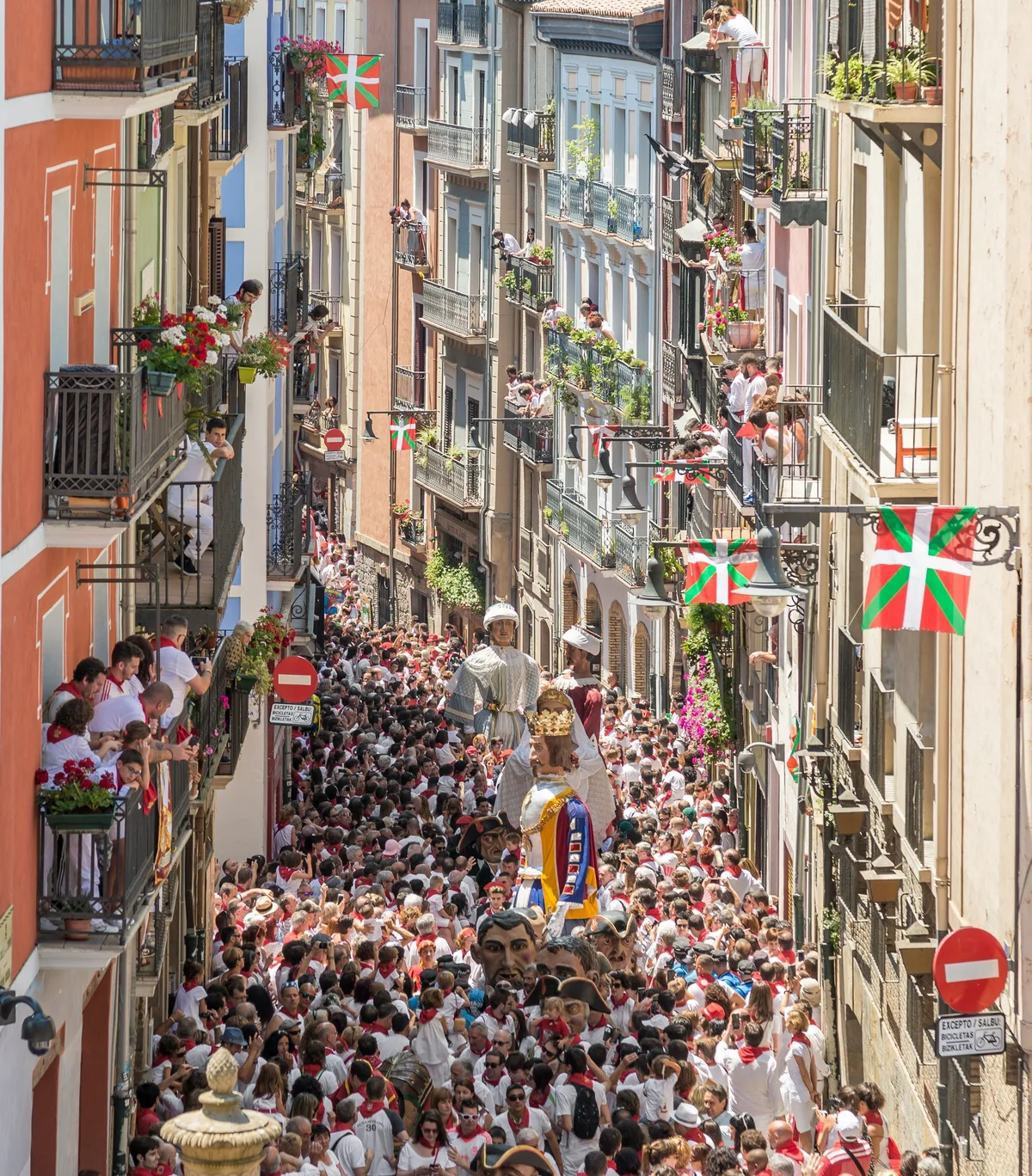
Most people know Pamplona for the running of the bulls. Pilgrims know it as the place where the Camino becomes real.
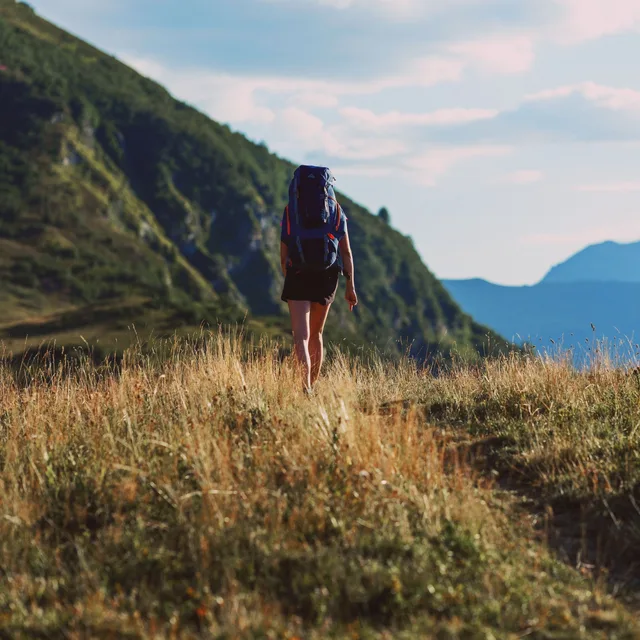
Pamplona arrives on day two, after the crossing of the Pyrenees. You descend into the city through the medieval Portal de Francia — the same gate pilgrims have been entering through for a thousand years — and suddenly you're in a proper city. Bars, traffic, people who aren't carrying packs. It can feel slightly surreal after a day in the mountains.
The city itself is worth more than one night. The old town is compact and genuinely beautiful: the massive star-shaped citadel on the edge of the centre, the Plaza del Castillo with its cafes and arcades, the narrow streets of the Casco Antiguo where Hemingway drank and watched the bulls and wrote the sentences that made this place famous. The cathedral is quieter than its reputation and worth the visit.
But what stays with most pilgrims isn't the sightseeing. It's the morning they leave.
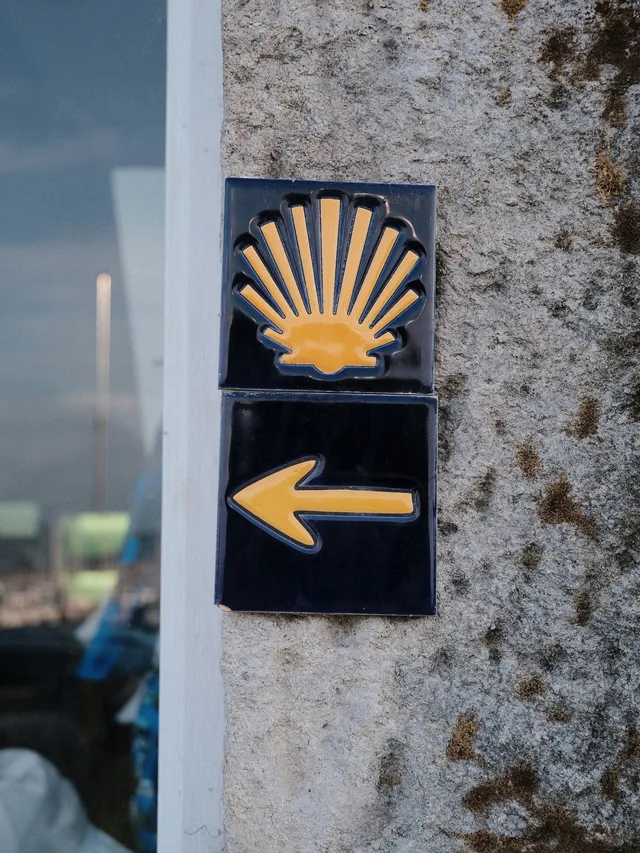
Walking out of Pamplona before dawn on day three, through the University quarter and out into the countryside, the city falling away behind you — that's the moment the Camino stops feeling like an arrival and starts feeling like a journey. The Pyrenees are behind you. The Meseta is ahead. Everything between is the walk.
Pamplona is where many pilgrims quietly realise they're actually doing this. Not planning it, not imagining it. Doing it.