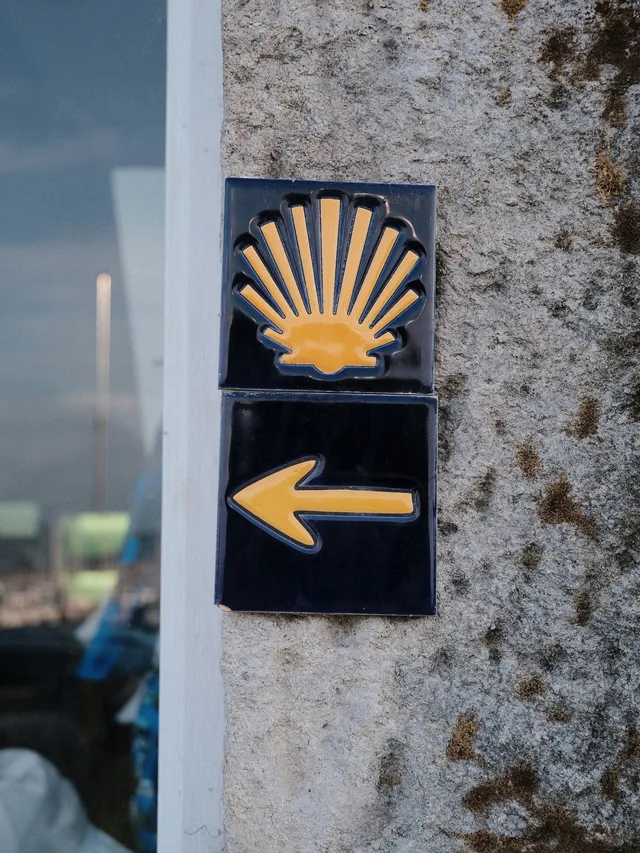
On the Camino nobody knows your job

On the Camino, nobody knows what you do for a living. And it turns out that changes quite a lot.
At home, identity is layered and cumulative. You are your job title, your neighbourhood, your car, your history with the people around you. Every interaction carries the weight of everything that came before it. People meet you already knowing something about you, or they find out quickly, and that information shapes how the conversation goes.
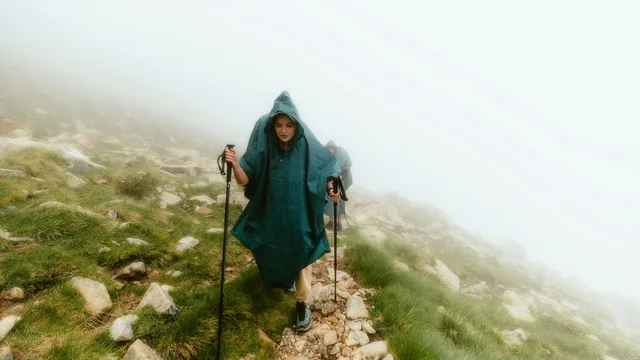
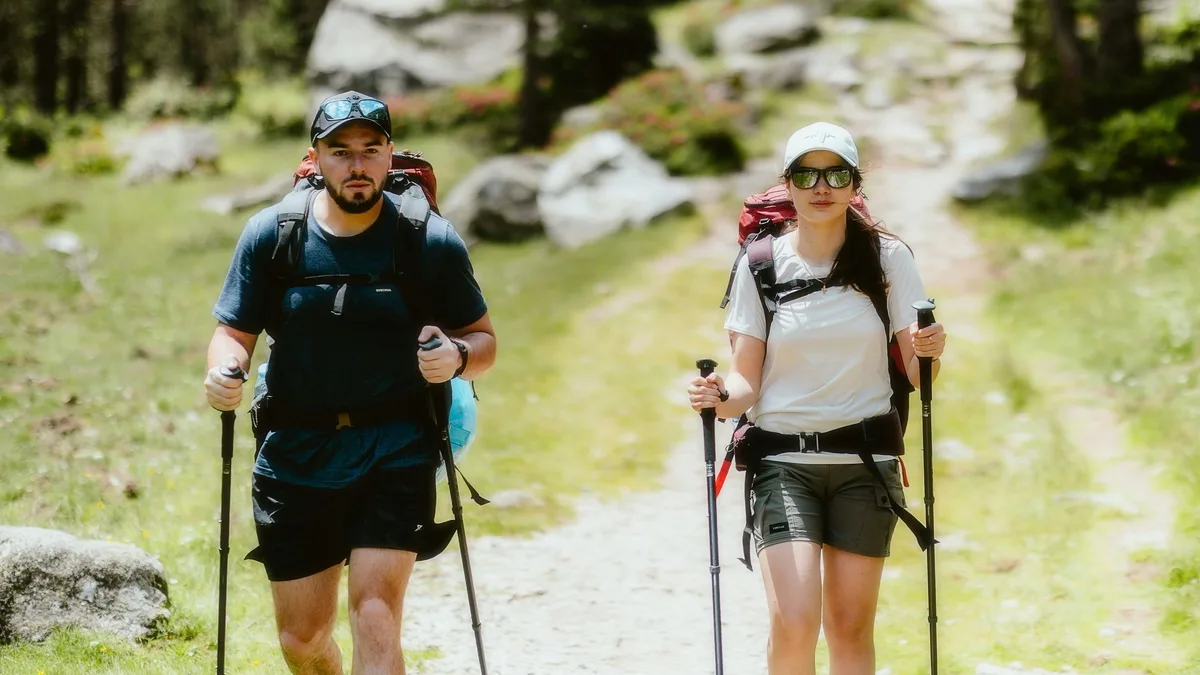
On the trail, you are a person with a name and a pack, walking in the same direction as everyone else. That's it. Nobody knows if you're a surgeon or a student, successful or struggling, respected or in the middle of unravelling something. The social architecture that structures ordinary life simply doesn't exist here.
What pilgrims notice — sometimes with relief, sometimes with discomfort — is how much of their personality at home is a performance for an audience that knows them. On the Camino, that audience is gone. You can be curious about things you'd normally pretend to know. You can admit you're lost, literally and otherwise. You can have a conversation about something that actually matters to you without worrying how it lands.
Some pilgrims find this liberating to a degree that surprises them. Others find it unsettling — stripped of the usual markers, they're not entirely sure who they are without them.
Both reactions are worth paying attention to. The Camino doesn't tell you who you are. But it does remove, temporarily and completely, most of the noise that usually makes it hard to hear the answer.