Boots or trail runners for the Camino

The boots vs trail runners debate never ends on the Camino. Here's the honest version.
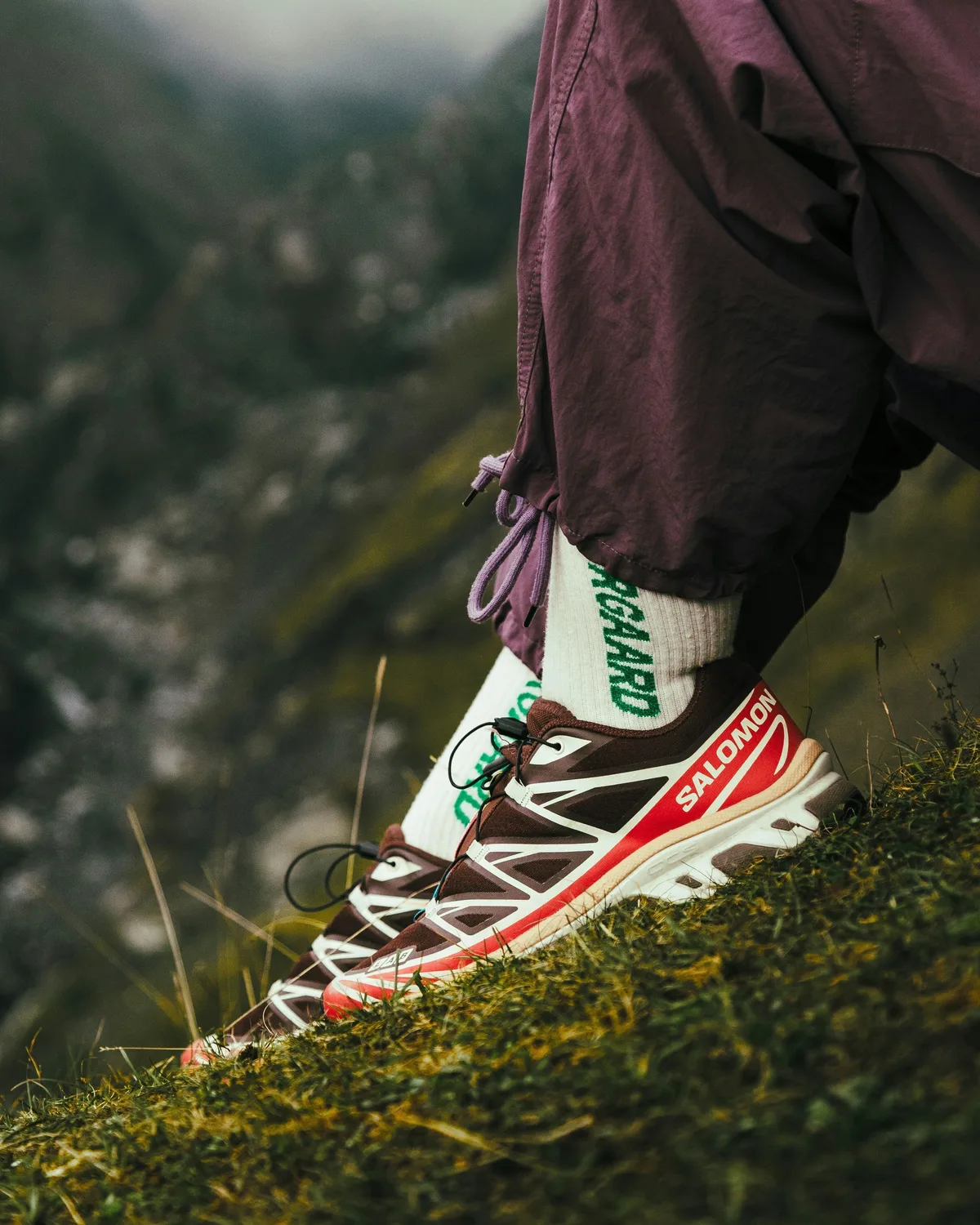
The case for trail runners: they're lighter, which matters more than most people expect. Every 100 grams on your foot equals roughly 1 kilogram of effort over a full day of walking — your legs lift your feet thousands of times per stage. Trail runners dry faster when wet, breathe better in heat, and require almost no breaking in. Many experienced pilgrims who've done the Camino multiple times have switched to trail runners and never gone back.
The case for boots: ankle support on rough or uneven terrain, better protection on rocky descents, warmer in cold and wet conditions. If you have weak ankles, a history of sprains, or you're walking a route with significant technical terrain — the Primitivo, the Norte, mountain sections of the Via de la Plata — boots earn their weight.
What the terrain actually demands: most Camino routes include a mix of everything — paved roads, dirt paths, cobblestones, loose rock, mud. No single shoe handles all of it perfectly. Trail runners with a decent sole grip cover most situations well. Lightweight boots cover all of them, at a weight cost.
The most important factor that most guides skip: fit above everything else. A well-fitted trail runner beats a poorly-fitted boot every time. Go half a size up from your normal size — feet swell significantly over long walking days. Try shoes on in the afternoon when your feet are at their largest. Walk around the shop for ten minutes before deciding.
Breaking in whatever you choose before the Camino is not optional. New shoes on day one is one of the most reliable ways to end your walk early.