What the first three days of the Camino feel like

Every guide to the Camino tells you what to pack and how to train. Almost none of them tell you what the first three days actually feel like.
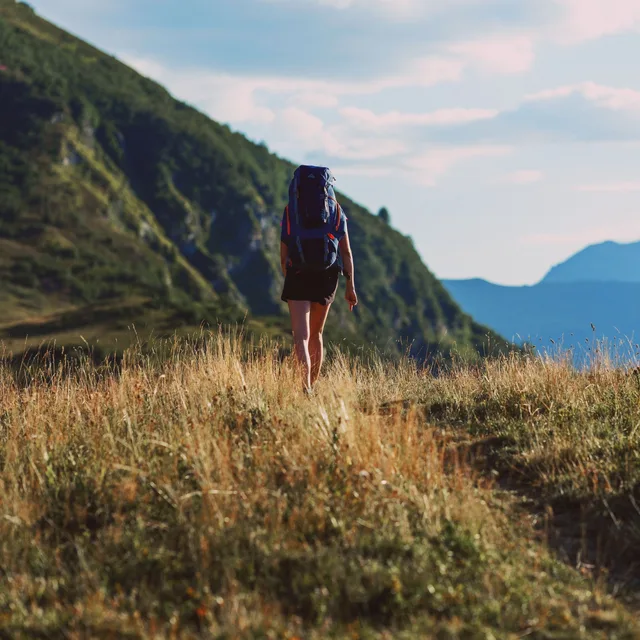
Day one is usually fine. The excitement carries you. You've been planning this for months, you're finally here, the Pyrenees are extraordinary, and the fact that your boots are already rubbing in two places doesn't quite register yet. You arrive in Roncesvalles feeling like you've already done something.
Day two is harder. The excitement wears off, the body starts sending reports, and the sheer scale of what's ahead — thirty more days, seven hundred more kilometres — becomes suddenly real in a way it wasn't when it was just a number on a screen. Some pilgrims have their first serious wobble on day two.
Day three is where it tends to break open. Physically you're sore in places you didn't expect. Emotionally, the distance from ordinary life has crossed some threshold, and things you've been carrying without noticing begin to surface. Many pilgrims cry on day three, often without knowing exactly why.
None of this means something is wrong. It means the Camino is working.
What helps: knowing this is coming. Going in with the expectation that the first three days will be harder than the training suggested, that something will surface emotionally, and that this is not a reason to stop but a sign that the walk is doing what it does. The pilgrims who struggle most in the first week are often the ones who expected to feel triumphant from the start.
Give yourself the first week before you decide anything about the Camino. It takes that long to really begin.