The Camino has no entry requirements

The Camino has no entry requirements. That turns out to matter.
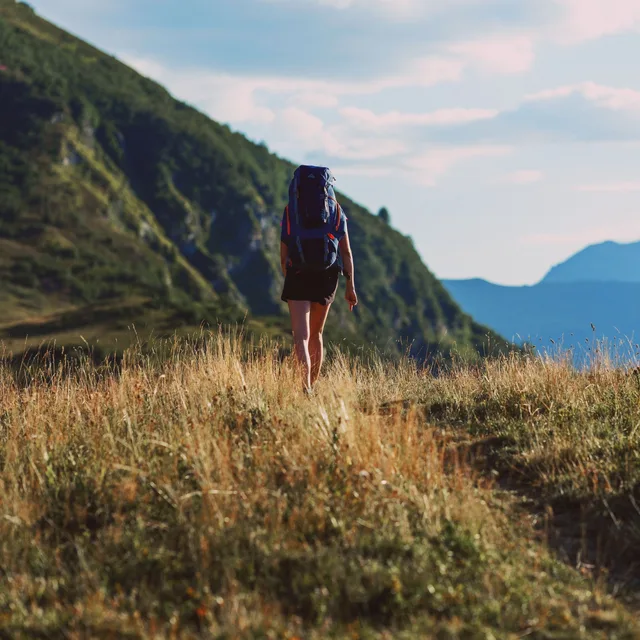
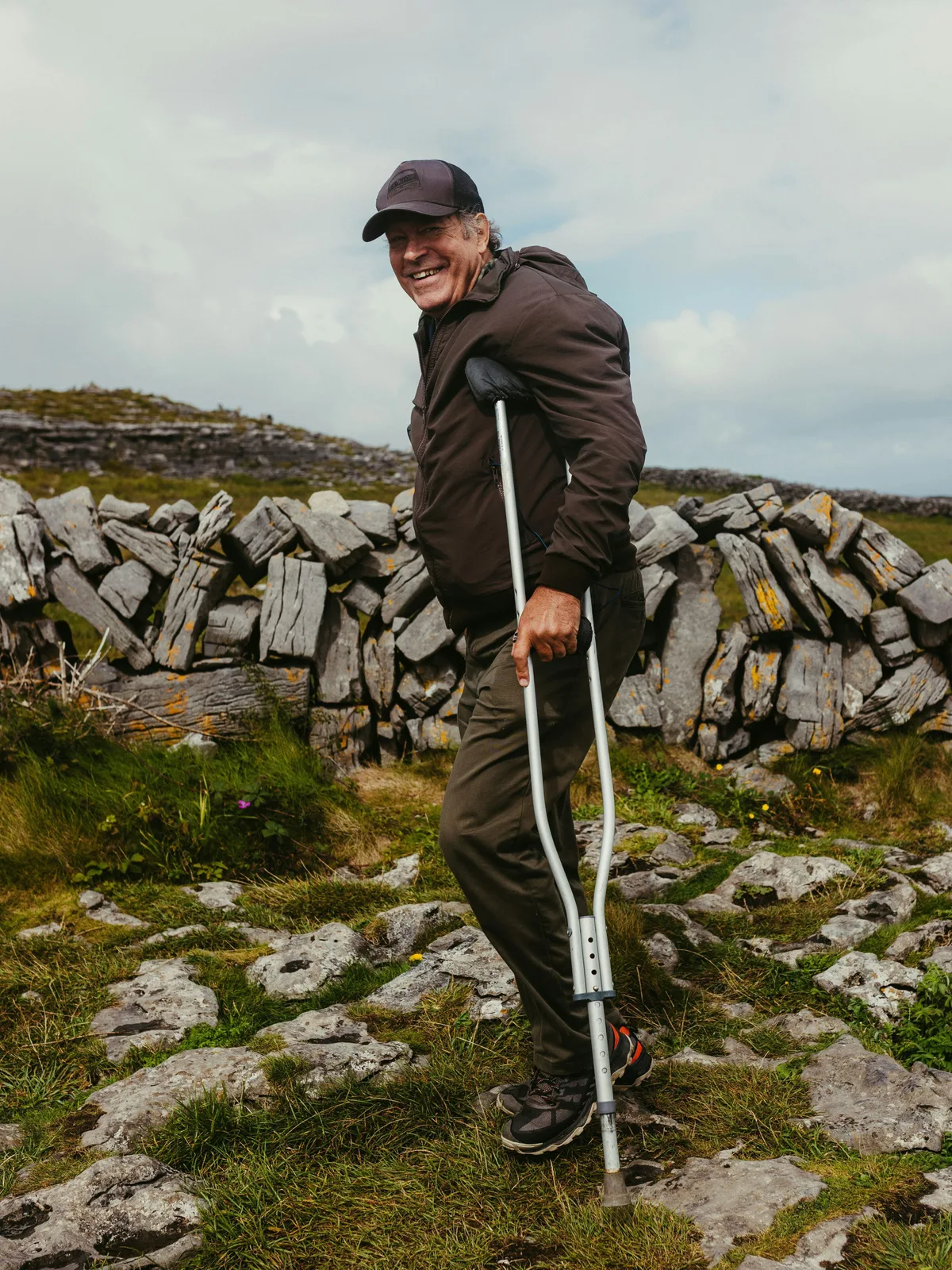
Every year, people walk it who by conventional logic probably shouldn't be walking it. A woman in her seventies with two replaced hips who does ten kilometres a day and takes twice as long as everyone else to reach Santiago. A man on forearm crutches who lost the use of his legs in an accident and decided that the Camino was worth attempting anyway. Pilgrims six months out of cancer treatment, pilgrims with MS, pilgrims carrying conditions that mean they rest every hour and carry a medical kit that weighs more than most people's packs.
What they find on the trail is not special accommodation or lowered expectations. It's the same path, the same climbs, the same cobblestones that hurt everyone's feet. What's different is the way other pilgrims respond to them.
The Camino has a way of calibrating what counts as impressive. After a few days on the trail, the person making the most remarkable journey isn't necessarily the one walking fastest or carrying the lightest pack. It's often the one who had the most reason not to start and started anyway.
Pilgrims talk about meeting someone whose situation reframed their own. The blister that seemed catastrophic becomes a blister. The hard day becomes a hard day. Something about witnessing what other people carry — literally and otherwise — quietly adjusts the scale you've been measuring your own effort against.
The Camino doesn't ask what you can do. It asks what you'll do with what you have. Those turn out to be very different questions.