The Camino first aid kit that actually gets used

Most pilgrims pack too much in their first aid kit. A few pack too little. Here's what actually gets used.
The non-negotiables: Compeed blister plasters — the large oval ones, not the small round ones — are the single most-used item in almost every pilgrim's kit. Bring more than you think you need; they're available in Spanish pharmacies but cost more than at home. A needle and thread for blister drainage. A small roll of athletic tape or KT tape for hot spots, joint support, and a dozen other uses you won't anticipate. Antiseptic wipes or a small bottle of antiseptic. Ibuprofen or your anti-inflammatory of choice — both for pain and for inflammation management on hard days.
Useful but not essential: a small tube of Vaseline or anti-chafe balm for inner thighs, underarms, and anywhere skin meets skin over 25km. Rehydration sachets for genuinely hot days or stomach issues. A couple of plasters for cuts and scrapes.
What you don't need: a full pharmacy. Paracetamol, ibuprofen, antihistamines, antifungal cream, antidiarrhoeal tablets, cold medicine — all of these are available in every Spanish pharmacy (farmacia) along any major Camino route, often without a prescription, at reasonable prices. Spanish pharmacists are knowledgeable and accustomed to pilgrim problems. If you need something, walk in and describe the symptom.
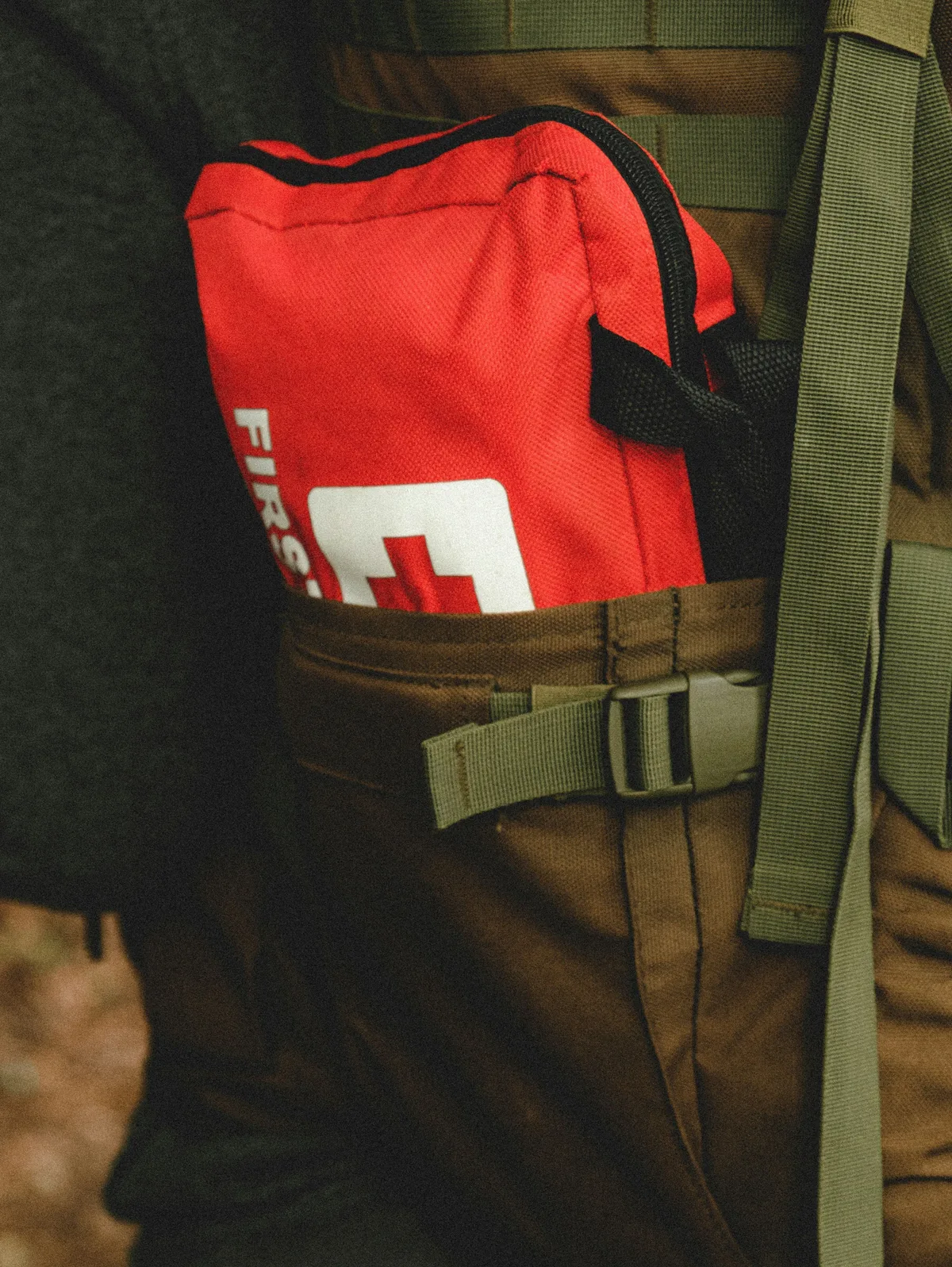
The kit itself: a small ziplock bag or a lightweight roll organiser. The whole thing should weigh under 200 grams. If it's heavier than that, something in it doesn't need to be there.
Spain has farmacias in almost every town on the main routes. You are never far from help. Pack light and trust the infrastructure.