Laundry on the Camino: the system that works

Nobody talks about laundry before the Camino. Everybody thinks about it by day three.
The system is simpler than it sounds once you understand the basic logic: two sets of everything, wash one while wearing the other. That's it. Two t-shirts, two pairs of socks, two pairs of underwear. Some pilgrims add a third pair of socks as insurance. Almost nobody needs more than that.
Most albergues have either a washing machine, a sink for hand-washing, or both. In summer, clothes dried on a line or a railing in the afternoon sun are ready by morning. In Galicia in October, you may be wearing slightly damp socks. This is part of the experience.
Hand-washing technique that actually works: wet the garment, apply a small amount of soap or shampoo — a travel-size bar of soap takes up almost no space and lasts weeks — rub the fabric against itself for two minutes focusing on the areas that matter, rinse thoroughly, then wring as hard as you can and roll the item tightly in a small towel before hanging. The towel-rolling step removes significantly more water than wringing alone and cuts drying time substantially.
Merino wool is worth mentioning again here: it genuinely can be worn two or three days between washes without becoming unpleasant, which gives you flexibility on short stages or rest days where laundry isn't a priority.
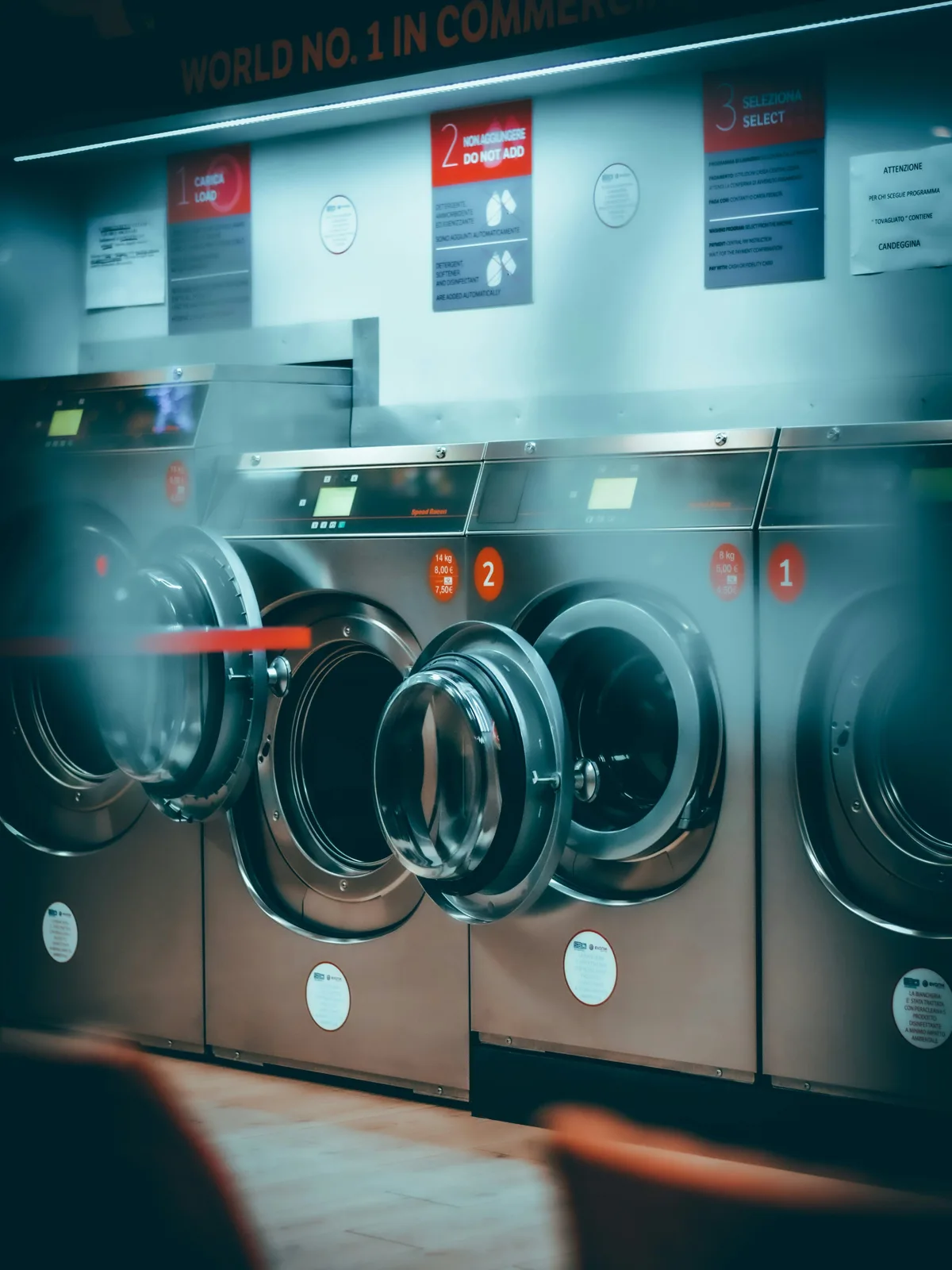
Washing machines in albergues typically cost €3 to €5. Dryers, where available, cost similar. In peak season they fill up quickly — put your laundry in the moment you arrive, before you shower, before you eat. Waiting until after dinner means hanging wet clothes in the dark and hoping for morning sun.