Eating enough on the Camino

Most pilgrims don't eat enough on the Camino. Not at the start, anyway.
Walking 25km a day with a loaded pack burns somewhere between 2,500 and 3,500 calories depending on terrain, weight, and pace. That's significantly more than most people consume in a normal day at home. The body compensates for a while by drawing on reserves, but by week two, under-eating shows up as fatigue, slowed pace, and a general flatness that pilgrims often mistake for emotional exhaustion. Sometimes it's just hunger.
Breakfast at the albergue or a bar is usually straightforward: coffee, toast, maybe eggs. The problem is the stage itself. On the Camino Francés, many mornings involve three to five hours of walking before the next real stop. That window needs food in it.
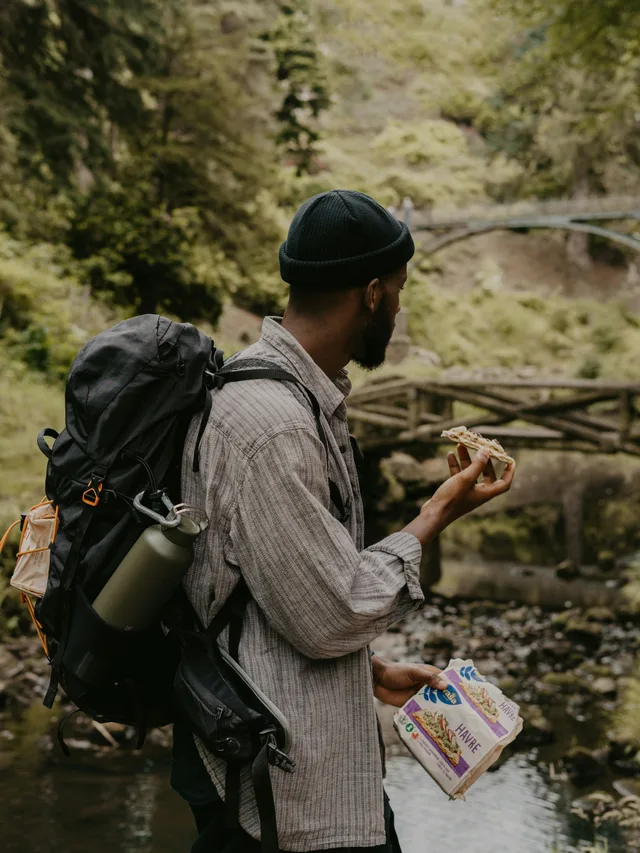
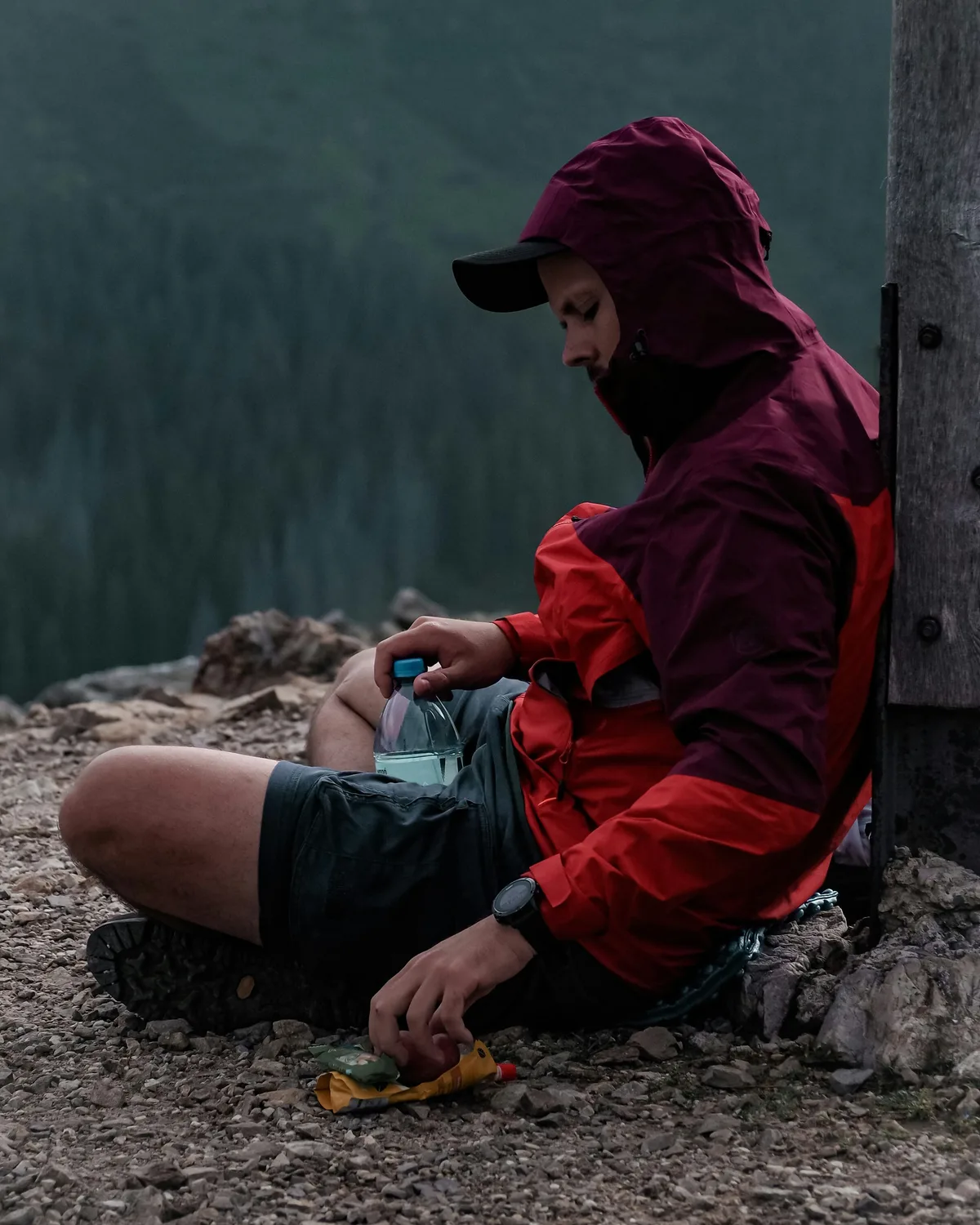
What works on the trail: something every 60 to 90 minutes, even when you don't feel hungry. Small and portable is better than one big item. A piece of fruit from the last village, a handful of nuts, a small chocolate bar, a piece of bread with cheese picked up from a supermercado the evening before. Spanish supermarkets along the route stock everything you need for a day's walking at reasonable prices — the trick is thinking ahead the night before rather than hoping there's a bar at the right moment.
The afternoon slump is real. It usually hits between kilometre 18 and 22, when the destination is close enough to feel possible but far enough to feel difficult. This is exactly when most pilgrims have run out of food. A banana and some water at kilometre 15 fixes what would otherwise be a miserable final hour.
Eat before you're hungry. Drink before you're thirsty. The Camino rewards the pilgrim who plans fifteen minutes ahead.