Walking the Camino in winter

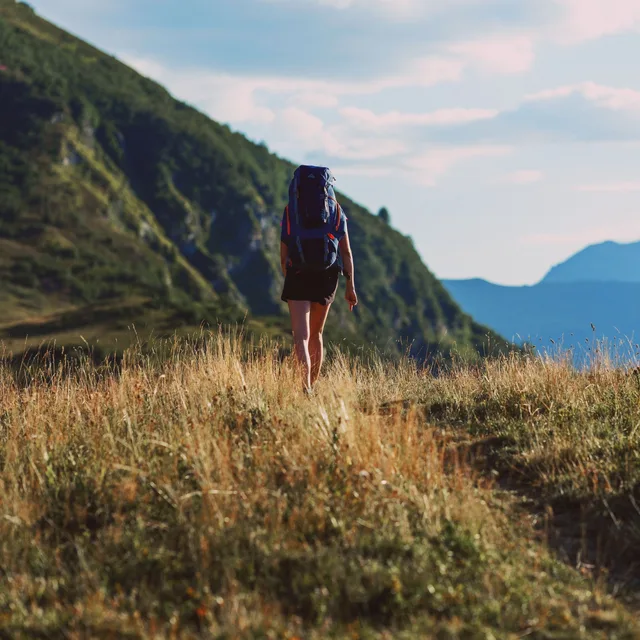
The Camino in January looks nothing like the Camino in July. Some pilgrims prefer it that way.
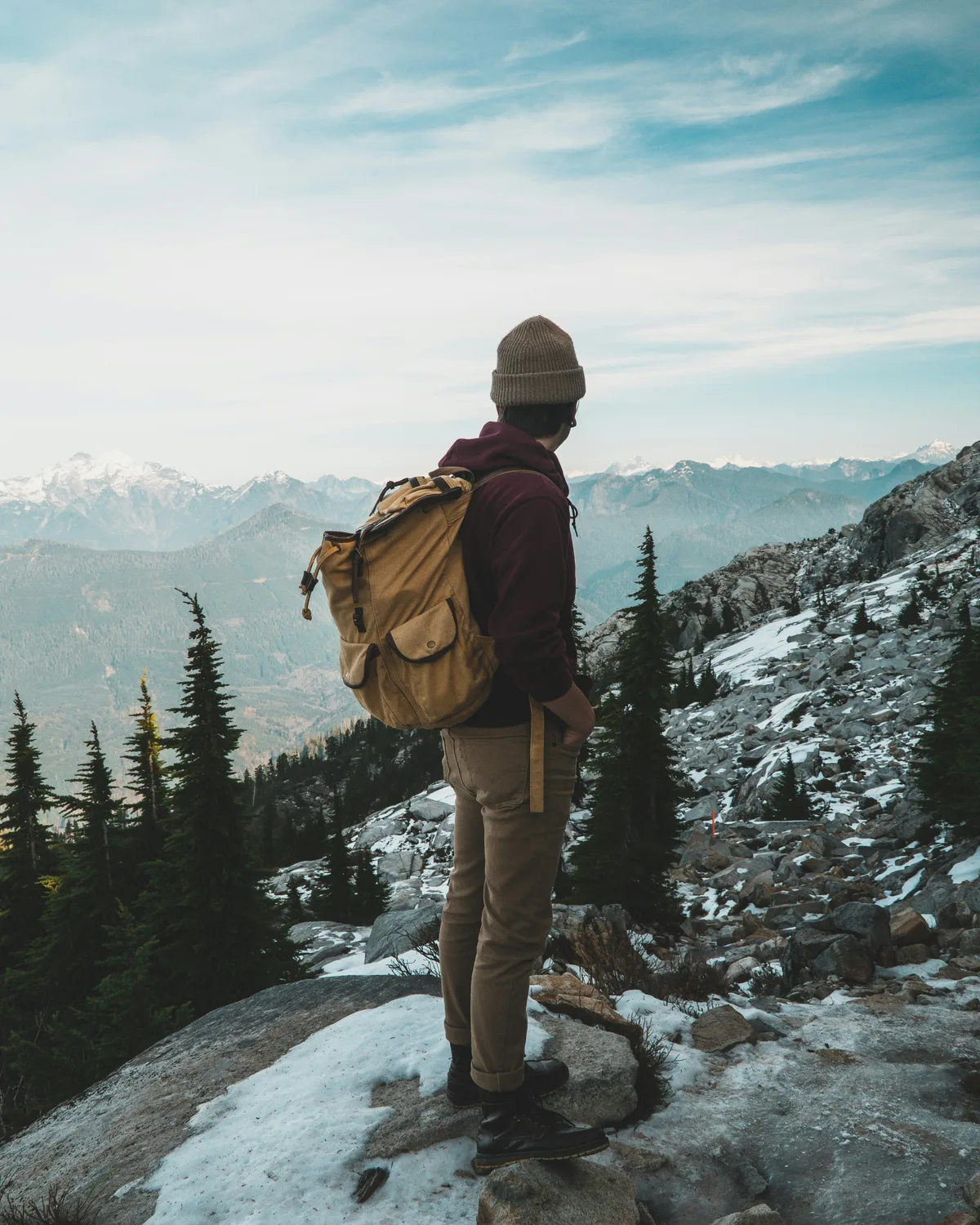
Winter walking means shorter days, colder temperatures, and the real possibility of snow on high passes — the Pyrenees crossing from Saint-Jean can be closed entirely, which means starting from Roncesvalles or switching to a lower route. The Napoléon pass is not an option in winter conditions. This isn't a reason not to go. It's a reason to plan differently.
What winter gives you in return: silence. The kind of silence that doesn't exist in August when hundreds of pilgrims are on the trail at any hour. In January you may walk for hours without seeing another pilgrim. Villages are quiet. The bars that are open are warm and glad to see you. The hospitaleros, the ones who stay open through the off-season, tend to be the most committed and the most interesting — people who love the Camino in its unpopular form.
Practical realities: check albergue opening dates before you go. Many private albergues and some municipal ones close between November and February, which means planning your stages around what's open rather than what's convenient. Accommodation gaps can be significant on some routes — the last 100km to Santiago stays better serviced year-round than the earlier sections.
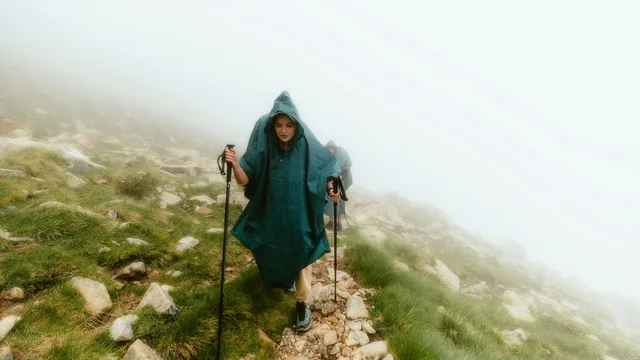
Galicia in winter is wet. Bring waterproofs you trust completely. The Meseta in winter is cold and exposed in a way that summer pilgrims never experience. Layering matters more, not less.
What winter pilgrims consistently say: the Camino feels like it belongs to them in a way it doesn't in high season. The cathedral in Santiago on a grey January morning, with almost no one else there, is a different experience entirely from arriving in August with five hundred other pilgrims.