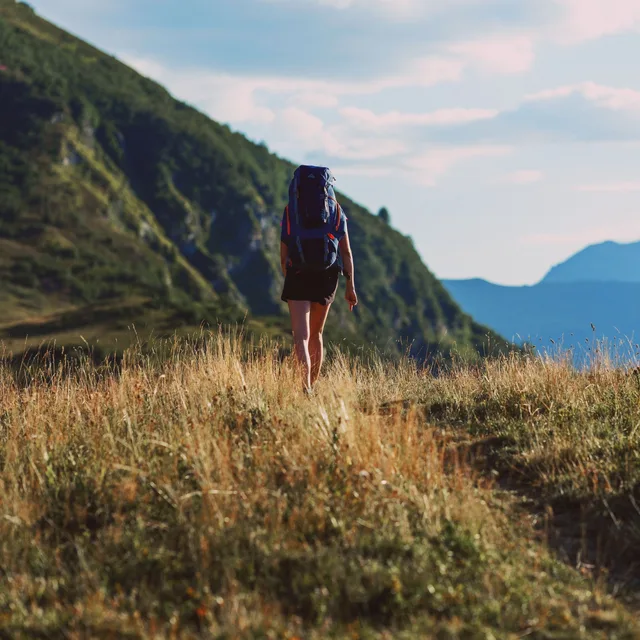
Coming home from the Camino

People come back from the Camino expecting their life to be different. Usually it isn't. The same job, the same flat, the same inbox. What's different is the way you're looking at all of it.
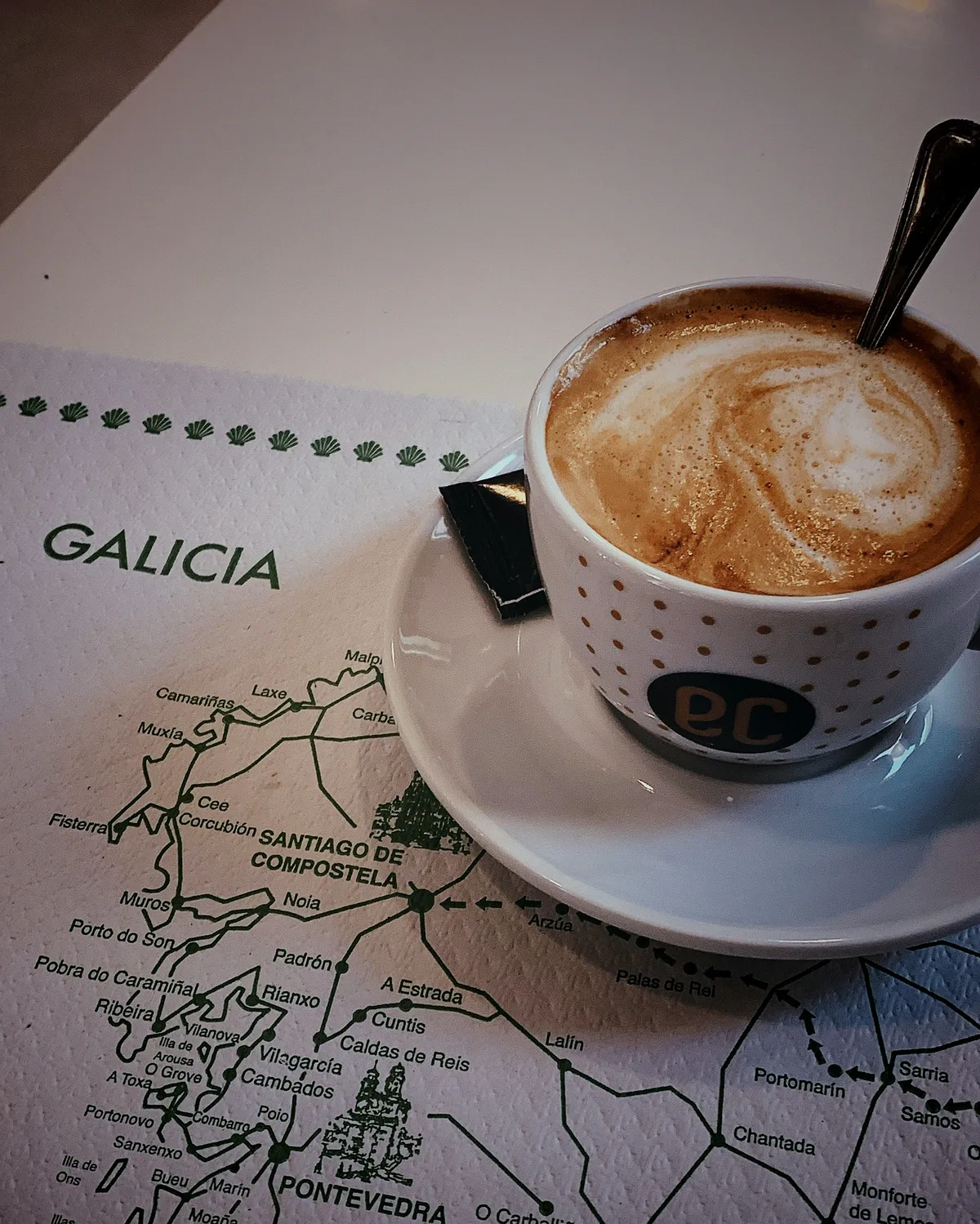
This sounds like a good thing. And in many ways it is. You notice what you actually value versus what you've been pursuing out of habit. You feel the weight of unnecessary commitments differently. Small pleasures — a good coffee, an hour without a screen, a conversation that goes somewhere real — land with more force than they used to.
But clarity has a cost. When you can see more clearly what matters to you, you can also see more clearly what doesn't. And most people's lives contain a significant amount of what doesn't. Obligations accumulated without much thought. Relationships maintained on autopilot. Work that fills the hours without filling anything else.
The Camino doesn't fix any of that. It just makes it harder to not see it.
Some pilgrims come home and make large changes — they leave jobs, end relationships, move to new places. Most make smaller ones. They say no to things they used to say yes to automatically. They protect a morning walk. They call people they'd been meaning to call for years. They let some things go that had been taking up space.
The hardest part isn't walking 800 kilometres. It's coming home with new eyes to a life that hasn't changed yet — and deciding, slowly and without a clear path, what to do about it.