
How to actually train for the Camino

How to actually train for the Camino. Most people get this wrong.
The most common training mistake before the Camino: logging kilometres on flat paths, feeling good about it, and showing up in St. Jean completely unprepared for what the trail actually demands.
The Camino isn't just about distance. It's about time on your feet, with weight on your back, on uneven terrain, day after day. That combination is what breaks people — not lack of fitness.
Here's what actually works:
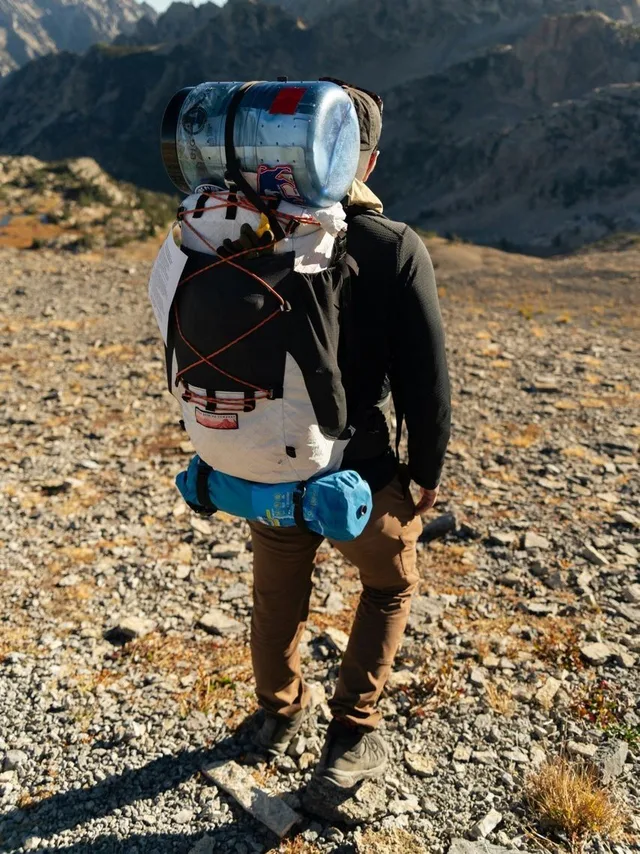
Start with your pack. Load it to your expected trail weight (aim for 8–10% of your body weight) and wear it on every training walk from week one. Your shoulders, hips, and lower back need weeks to adapt. Don't save this for the last two weeks.
Walk consecutive days. One long Saturday hike tells you nothing. What matters is how your body feels on day three of walking — that's what the Camino tests. Build up to walking 3–4 days in a row, even if the distances are shorter.
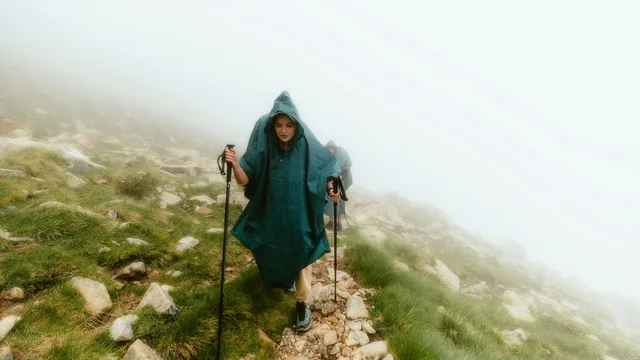
Include hills and uneven ground. If you live somewhere flat, find stairs, trail paths, anything that isn't pavement. The descent into Roncesvalles alone will destroy unprepared knees if you've only ever walked on flat surfaces.
Wear your actual boots. Every training walk. No exceptions. Blisters from new boots on day one of the Camino are entirely preventable.
A solid 8–12 week plan — 3 walks per week, building to 20–25km on back-to-back weekend days by the final month — is enough for most people. You don't need to be an athlete. You need to be consistent.
#camino #caminodesantiago #caminofrances #pilgrimage #buentcamino #caminolife #caminogram #caminotips #pilgrimlife #hikinglife #walkingtheworld #hiketraining #trailtraining #slowtravel #santiagodecompostela #camino2026 #thecamino #pilgrimsofinstagram #caminostories #caminoway #hikingtips #getfit #walkyourway #caminospirit #caminotoday