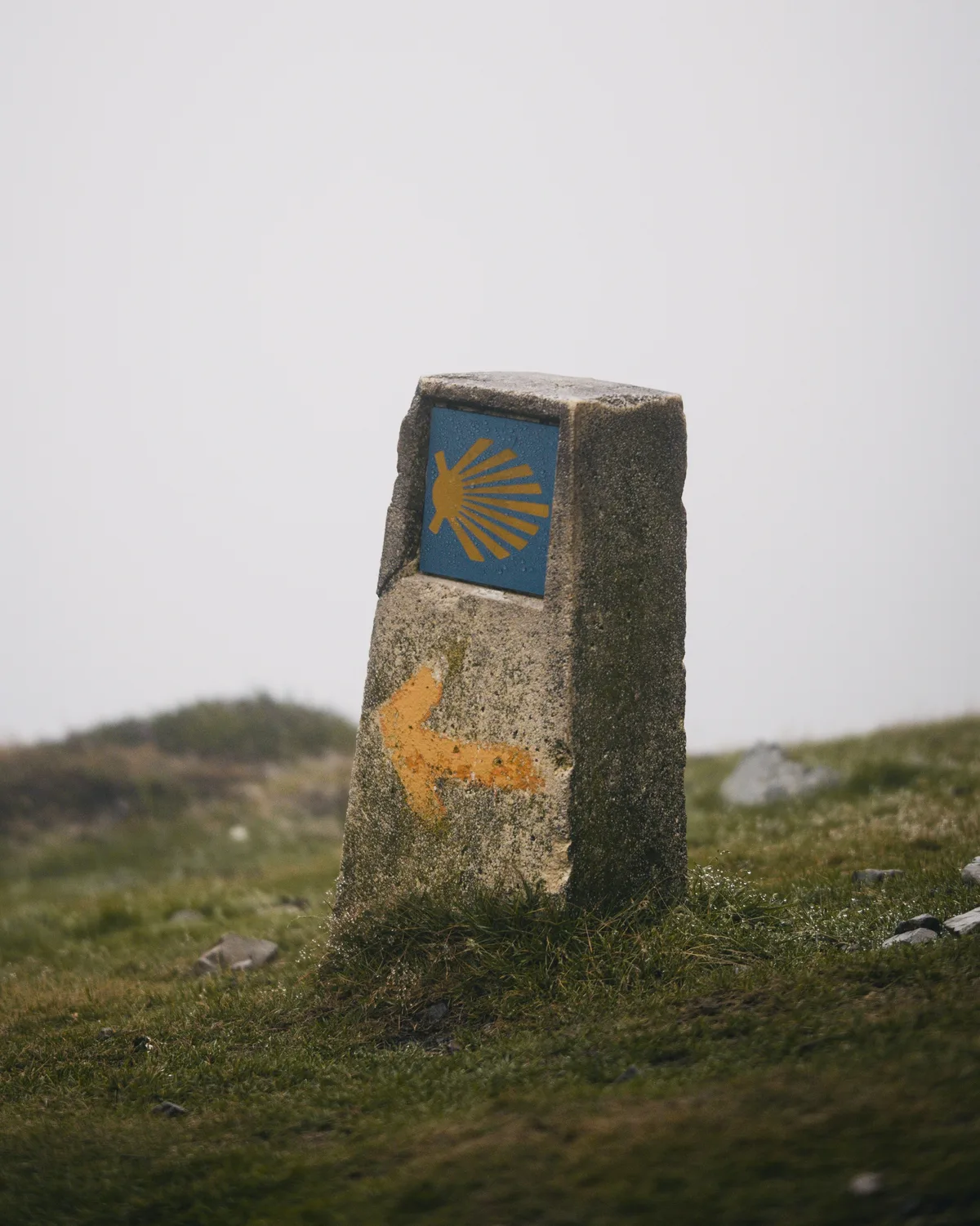
When you stop thinking in hours

Somewhere around day four or five, you stop thinking in hours.
At home, the day is divided by a calendar. Meetings at ten, lunch at one, the commute at six. Time is a series of obligations, each one pulling you toward the next. The future is always pressing in.
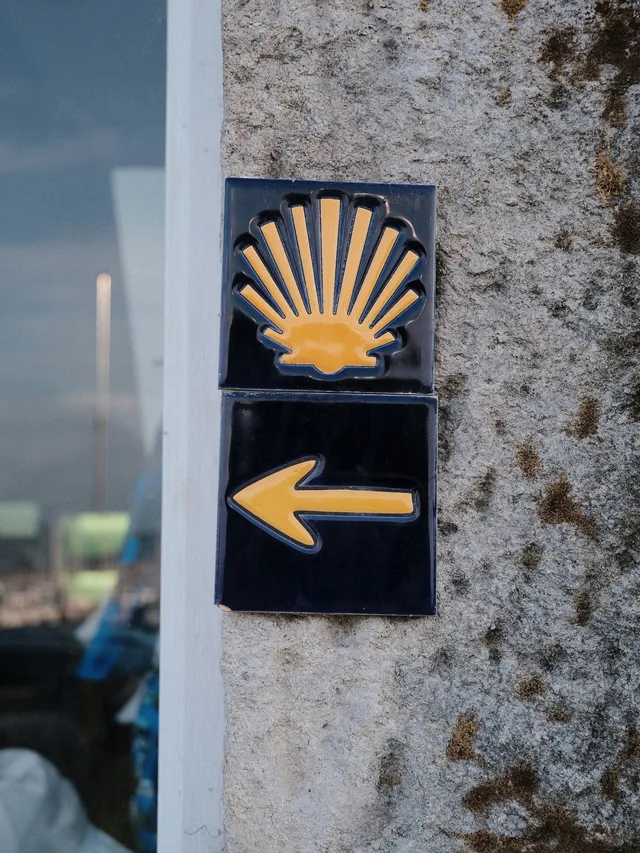
On the Camino, that structure dissolves. The day is divided differently now: wake before dawn, walk until you're hungry, eat, walk until you're tired, stop. The only question that matters is the next one: how far to the next village? Is there a bar there? Will there be beds?
The future shrinks to about fifteen kilometres. The past shrinks to yesterday's stage. Everything outside that window — the project due next month, the conversation you need to have, the inbox you're not looking at — becomes strangely abstract. Not gone, but distant. Like something that belongs to a different person.
Pilgrims who've walked for two weeks or more describe a particular quality of attention that develops. You notice things you wouldn't normally notice — the sound a path makes when it changes from dirt to stone, the exact moment the light shifts in the afternoon, how different your body feels on the third hour of walking compared to the first. The mind, deprived of its usual inputs, starts paying attention to what's actually in front of it.
This is what people mean when they say the Camino is meditative. Not that it's quiet or spiritual in any formal sense. Just that it returns you, slowly and without asking, to the present tense.