The silence of the Camino

The Camino is quiet in a way most people have never experienced.
Not silent — there are birds, wind, footsteps, the occasional car on a road crossing. But there's an absence of the background noise that modern life runs on. No notifications. No open-plan office hum. No TV in the next room. No city traffic layered under everything. Just the path and whatever thoughts arrive when there's nothing to drown them out.
The first day or two, this is uncomfortable. The mind looks for its usual inputs and finds none. People reach for their phones more than they expected to. Some put in headphones. The silence feels like something to fill rather than something to be in.
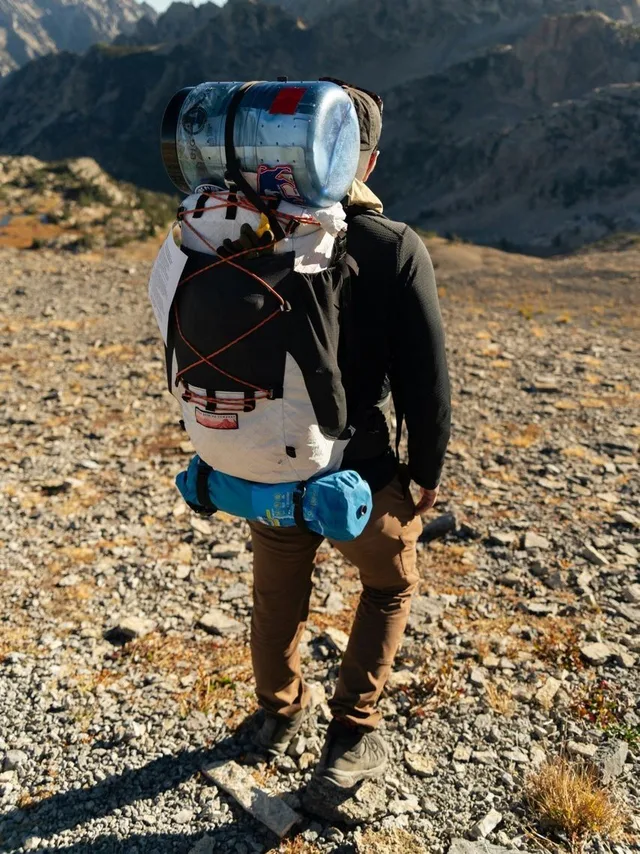
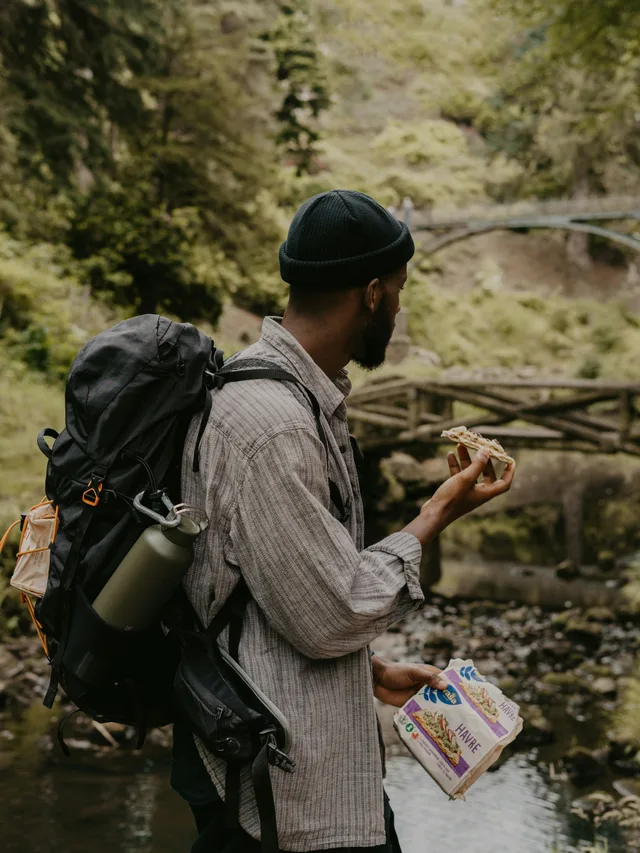
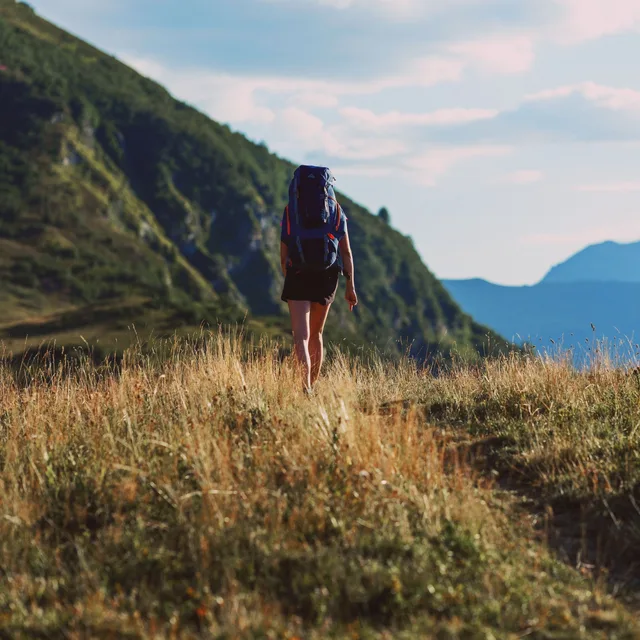
Then, somewhere around day four or five, something shifts. The quiet stops feeling like deprivation and starts feeling like space. Thoughts slow down and become more coherent. The body settles into its rhythm. You start noticing things — the way light moves across a hillside, the sound of water before you see it, the particular quality of early morning air on a mountain path.
Pilgrims coming home consistently describe the noise of ordinary life as a shock. The first supermarket, the first commute, the first day back at a desk — it hits differently when you've spent weeks in the kind of quiet that used to be normal for most of human history.
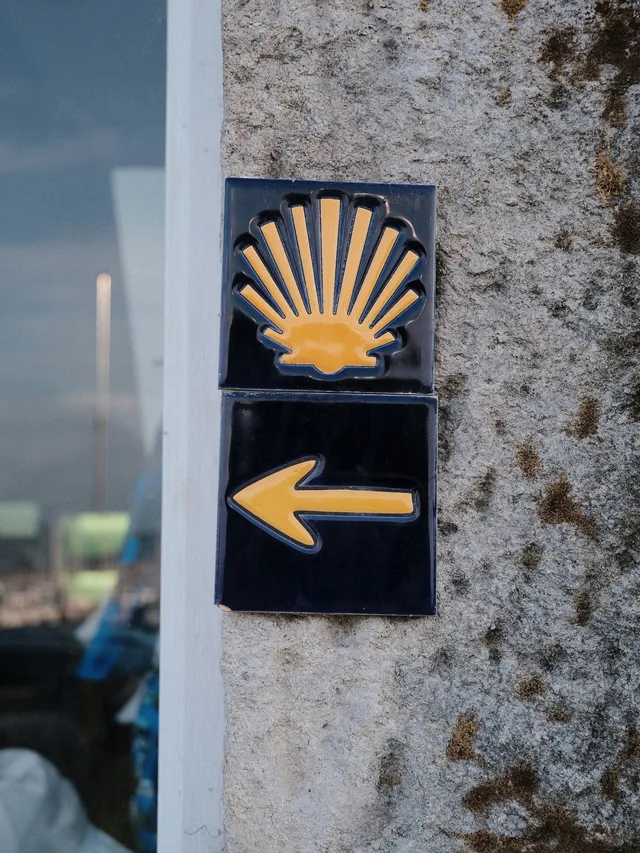
The Camino doesn't give you silence to be spiritual. It gives you silence because that's what the path has always been. What you do with it is up to you.